Let’s be real about what you’re signing up for. When you sell your house with a Realtor, you may have to pay as much as $18,324 in agent commissions on a median home of $610,800. The average real estate commission in Washington State can hit up to 6% in 2026, of which you pay 3% to the listing agent. That’s serious money. But here’s what most people don’t realize: saving on commissions doesn’t guarantee you’ll pocket more cash. If you’re looking for a faster alternative, we buy Washington homes directly for cash without the traditional listing process.
Homes sold FSBO typically go for about 18% less than homes sold with a realtor’s help. That’s a difference of roughly $112,041 on a house that sells for the median sale price in Washington. So before you get excited about keeping that commission, let’s make sure you understand exactly what you’re getting into.
Complete Guide to Selling Your House by Owner in Washington State Without a Realtor

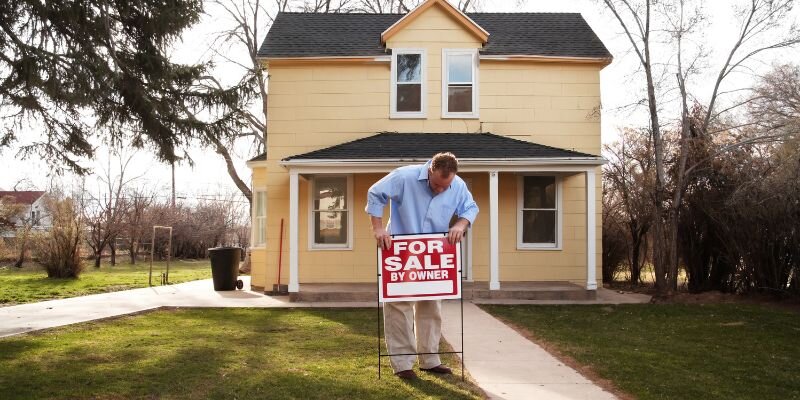
Selling FSBO means you take on the roles of listing agent, marketing director, photographer, negotiator, and legal compliance officer. You’ll handle everything from pricing your home to managing the closing process. In an FSBO scenario, the seller assumes the responsibilities that would normally fall to their agent, such as pricing the home, marketing it to potential buyers, arranging showings, and negotiating the sale.
Here’s what nobody tells you upfront: most successful FSBO sellers already have a buyer lined up. While only 5% of homes sell without a realtor, 30% of those home sellers already know their buyer. Without a buyer waiting in the wings, your odds of success drop significantly.
The process looks straightforward on paper. If you want to understand it step-by-step, here’s how our process works when we evaluate and purchase homes. You’ll research comparable sales to price your home, take professional-quality photos, write compelling marketing copy, list on multiple platforms, field calls from potential buyers, schedule and conduct showings, negotiate offers, manage inspections, coordinate with title companies, and handle all the paperwork required by Washington state law.
But here’s where it gets tricky. Surveys reveal that more than a third of non-traditional sellers have problems with their paperwork. About 36% of non-traditional sellers made legal mistakes, and 40% said they didn’t understand their contract. In a state like Washington with specific disclosure requirements and complex real estate laws, those mistakes can cost you far more than any commission savings.
Understanding Washington State FSBO Laws and Legal Requirements for Home Sales
Washington doesn’t require you to use a real estate agent, but it absolutely requires you to follow specific legal procedures. State law (RCW 64.06.020) requires you to provide the buyer with a completed Form 17 (Seller Disclosure Statement) within five business days of agreement. This isn’t optional, even for a cash sale.
Washington has comprehensive disclosure requirements. In Washington State, you have to declare any major faults or problems that you know about, including: Other disclosures. Foundation issues. Code or zoning violations. Moisture or water issues. Wind, flood, and earthquake damage. Some counties in Washington State have their own environmental standards when selling a home, such as an on-site septic inspection report that must be completed before closing.
Water, Moisture, and Mold: Washington’s environment makes controlling moisture in crawlspaces and attics a key. There is no remediation requirement, but sellers must remediate leaks and remove visible mold to prevent serious problems on the obligatory Form 17 Disclosure. This is especially true in Western Washington, where moisture problems are widespread.
Additional documentation is required if the property has a septic system. Septic & Well Systems: Must be in compliance with County Health Department requirements and have a Time of Transfer inspection prior to listing. That’s because a “Notice of On-site Sewage System” and a professional inspection report are legal requirements in several Washington counties.
If you’re selling a condo, there are unique considerations—especially when navigating How To Sell Your House During Divorce In Washington State. Condo-specific issues include unit-level concerns such as window seal failures and siding rot that can stall loans. In 2026, lenders scrutinize Reserve Studies and Meeting Minutes for deferred maintenance, which can make a building “unwarrantable” for standard financing.
Pricing Your Washington Home Correctly Using Market Analysis and Comparable Sales
Getting your price right is make-or-break for FSBO success. Overprice by even 5%, and you’ll sit on the market for months. Homes priced more than 5% above comparable sales are sitting on the market for 40-60 days, double the market average. If you underprice, you will leave money on the table that could have covered any agent commission and more.
Start with recent comparable sales in your immediate area. Search for homes that sold within the past three to six months, ideally within a half-mile radius. Compare your home to other similar homes that have sold. If you own a ranch, be sure to compare your home to other ranches that have sold in the past 3-6 months. The same principle applies to split-levels, condos, colonials, townhouses, cape cods, split-foyers, and other types of houses. Be sure to make adjustments for items such as fireplaces, garage spaces, decks, patios, porches, square footage, seller concessions, finished vs. unfinished basement space, and other factors from these previous sales.
The market conditions in Washington now vary widely by geography. For example, sellers in smaller markets like Chehalis also have access to cash home buyers in Chehalis WA, which can make selling faster without MLS delays. The median sale price for all of King County increased 0.54% to $859,618 in March 2026 from $855,000 in March 2025. But that’s just King County. Home prices in Tacoma fell 1.0% from a year ago in March 2026, to a median sale price of $485K. Seattle home prices have fallen 1.6% since last year, selling for a median price of $865K as of March 2026.
Don’t rely solely on Zillow’s Zestimate. While it’s a decent starting point, it can be off by 10-20% in either direction. Instead, look at actual sold prices, not listing prices. Compare the original list prices to the sold prices. This tells you how much negotiating room buyers expect in your market.
For a more accurate assessment, consider hiring an appraiser for $400-600. This gives you an unbiased professional opinion of your home’s value and can serve as a strong negotiating tool when buyers try to lowball your asking price.
Preparing Your Property for Sale: Essential Repairs and Staging Tips in Washington

In FSBO sales, your first impression is more important because you don’t have the marketing machine of an agency behind you. Curb appeal is important because it is the first thing a buyer will see when viewing your house, whether in person or online. A clean exterior gives a positive first impression and sets the tone for the rest of the exhibition. It can also add value to your home, get more offers, and help it sell faster.
Start with the obvious fixes. Mow the lawn and pull weeds. Power wash your driveway and walkways. Clean your windows on both sides. These simple tasks can make a $500,000 home look like it’s worth $550,000.
Consider a pre-listing inspection to identify potential deal-breakers before buyers do. FSBO sellers might want to hire a home inspector for a pre-listing inspection to ferret out any major issues, such as a worn roof, and fix them before going to market, she adds. The average inspection costs about $200 to $500, depending on your home’s size.
Inside, focus on cleanliness and neutral appeal. Wood also has a page-long list of preparations to attract buyers, including making sure the home smells good. “It’s white towels. It’s cleanliness. You want it to seem warm and inviting so they can imagine their family there having holiday dinners.”
In Western Washington’s climate, pay special attention to moisture issues. Check for any signs of water damage, mold, or poor ventilation. These are red flags for buyers and can derail financing if discovered during the inspection process.
Don’t over-improve. You’re not trying to create your dream home; you’re trying to create a home that appeals to the broadest range of buyers. Stick to cosmetic improvements that offer strong returns: fresh paint, updated lighting, modern fixtures, and professional cleaning.
Photography and Virtual Tour Best Practices for Washington Home Sales
Your photos will make or break your FSBO listing. The pictures and videos provided online make a giant impact. Most buyers scroll through dozens of listings online before deciding which homes to visit in person. Poor photos cause buyers to skip your home entirely.
Hire a professional photographer. Yes, it costs $200-400, but it’s worth every penny. Professional photographers know how to use lighting, angles, and staging to make your home look its best. They also have wide-angle lenses that make rooms appear larger and more inviting.
If you’re determined to do it yourself, follow these rules: shoot during the day with all lights on, open all blinds and curtains, remove personal items and clutter, shoot from the corners of rooms to maximize space, and take a minimum of 25-30 high-quality photos.
Virtual tours have become essential, especially for out-of-area buyers. Many smartphones can create decent 360-degree tours, or you can hire a professional service for $150-300. This is particularly valuable in competitive markets like Seattle and Bellevue, where buyers often need to make decisions quickly.
Stage each room with a specific purpose in mind. The main bedroom should feel like a retreat, the kitchen should appear spacious and functional, and living areas should feel comfortable but not cluttered. Remove family photos, personal collections, and anything that might distract from the home itself.
Marketing Strategies for FSBO Properties in Seattle, Spokane, and Tacoma Markets
Each Washington market has its own personality and buyer preferences. Seattle buyers often prioritize walkability, transit access, and proximity to tech jobs. Spokane buyers might focus more on value and space. Tacoma buyers often want lower prices than Seattle while still having reasonable commute access.
Buyers are online on a variety of websites. Online, they decide which homes to see. Your marketing strategy should reflect this reality. Beyond the MLS, make sure your home appears on Zillow, Realtor.com, Trulia, and local Facebook groups.
Social media marketing can be particularly effective for unique properties. Post high-quality photos on Instagram with local hashtags like #SeattleRealEstate or #TacomaHomes. Share your listing in neighborhood Facebook groups and community pages. Consider creating a simple property website with additional photos and information.
Post about your house on Instagram, IGTV, and Twitter. And, most importantly, be sure you don’t violate any fair housing laws in your advertising! Fair housing violations can result in serious legal consequences, so stick to factual descriptions of the property itself, not the type of buyer you’re seeking.
Don’t overlook traditional marketing. A professional yard sign with a phone number and website drives traffic from people already in the neighborhood. Flyers in nearby coffee shops, community centers, and grocery stores can reach local buyers who might not yet be actively searching online.
Network with your connections. Tell friends, family, neighbors, and coworkers that your home is for sale. Word-of-mouth referrals often result in serious buyers because they come pre-qualified through trusted sources.
Seasonal Market Trends and Optimal Timing for Selling Homes in Washington
Timing your sale can significantly impact both your selling price and how quickly your home sells. Properties, thanks to the heightened demand, stay on the market for as little as 20 days on average. During the summer months, the average can reach 12 days.
Spring remains the strongest selling season in Washington. Buyers start looking in March as the weather improves, with peak activity from April through June. Your home will have maximum exposure during this period, but you’ll also face the most competition from other sellers.
Summer can be excellent for FSBO sales because you have more daylight for showings and better weather for open houses. Families with school-age children prefer to move during summer break, creating strong demand for homes in good school districts.
Fall brings fewer buyers but also less competition. Buyers who are still looking in October and November tend to be more serious and motivated. However, homes that don’t sell by Thanksgiving often sit until spring unless they’re priced aggressively.
Winter is challenging for FSBO sales. Fewer buyers are looking, daylight for photos and showings is limited, and the weather can make your property less appealing. Unless you have a compelling reason to sell immediately, consider waiting until spring.
Average days on market by area: Seattle metro, 16-22 days; Tacoma, 18-25 days; Spokane, 25-35 days. These data can allow you to create realistic expectations for your timeline.
Washington State Purchase Agreement Forms and Required Legal Documents

Sellers are typically responsible for drawing up the for-sale-by-owner (FSBO) real estate contract in Washington. As a seller without a realtor in Washington, you can write up the contract on your own using a state- or realtor-approved real estate contract template.
However, I strongly recommend getting professional help with contracts. We recommend using an attorney or transaction coordinator even though Washington law requires neither. A for-sale-by-owner real estate contract is a complex, legally binding document with little room for error.
Standard Washington Residential Purchase and Sale Agreement Basic Information includes: buyer and seller, property description, purchase price, earnest money deposit, financing, inspection periods, closing date, and contingencies. Key clauses include purchase price, terms of payment, escrow, closure, contingencies for inspections and financing, representations of the seller and buyer, risk of loss, closing fees, remedies for default, lead warning statements, and notices and governing law clauses.
You’ll also need additional documents: the seller disclosure statement (Form 17), lead-based paint disclosure (for homes built before 1978), any HOA documents or CC&Rs, recent property tax statements, a title insurance commitment, and any inspection reports or warranties you’re providing.
For properties with wells or septic systems, additional documentation is required. Some counties require time-of-transfer inspections for septic systems before closing. Check with your local health department for specific requirements.
Don’t try to modify standard contract language unless you’re working with an attorney. Real estate contracts contain specific legal language that protects both parties. Amateur modifications can create loopholes or unenforceable provisions that could cost you thousands later.
Home Inspection Process and Managing Buyer Requests in Washington Sales
Most buyers will request an inspection, even on newer homes. This is their opportunity to identify potential problems and either request repairs or negotiate credits. As an FSBO seller, you need to understand this process and be prepared to respond professionally.
The inspection typically occurs within 10-14 days of the purchase agreement being signed. Buyers hire their own inspector, who will spend 2-4 hours examining the property. They’ll check electrical systems, plumbing, HVAC, roof, foundation, windows, doors, and appliances.
Be prepared for a lengthy inspection report. Even well-maintained homes often have 20-30 items noted by inspectors. Most are minor issues, such as loose handrails, missing outlet covers, or worn caulking. Don’t panic when you see the report; focus on safety issues and items that could affect financing.
Buyers typically have a few days after receiving the inspection report to request repairs or credits. They might ask you to fix everything, provide a credit so they can handle the repairs themselves, or reduce the purchase price. You’re not obligated to agree to any requests, but refusing all requests might cause the buyer to walk away.
Prioritize your responses. Major safety issues, such as electrical problems or roof leaks, should be addressed. Cosmetic issues like paint or carpet are often better handled through credits since buyers might prefer to choose their own materials.
Get multiple quotes for any repairs you agree to make. This protects you from overpaying and gives you documentation if the buyer questions your repair choices. Use licensed contractors for electrical, plumbing, or structural work.
If mold is involved, focus on addressing the source of moisture—not just cosmetic cleanup. Keep records of inspections, remediation work, and contractor invoices, as buyers may request documentation showing the issue was professionally handled. In some cases, obtaining a post-remediation inspection or clearance report can provide additional reassurance during negotiations.
Consider offering a home warranty instead of making repairs. A one-year warranty costs $400-600 and covers major systems and appliances. Many buyers prefer this because it provides ongoing protection after closing.
Appraisal Requirements and Financing Contingencies for Washington Property Sales
If your buyer is getting a mortgage, the lender will order an appraisal to ensure the home is worth the loan amount. This is separate from the inspection and focuses on the home’s market value rather than its condition.
Appraisers use recent comparable sales, just like you did when pricing your home. However, they’re more conservative and might not give full credit for recent improvements or unique features. If your home appraises below the purchase price, you have several options: lower the price to the appraised value, meet the buyer halfway, or ask the buyer to bring additional cash to closing.
Many homes in Washington state qualify for Conventional Financing. But does your house meet the criteria for FHA, USDA, or VA financing? Different loan types have different requirements. FHA loans allow lower down payments but have stricter property condition standards. VA loans offer excellent terms for military buyers but require the property to meet specific safety and habitability requirements.
Be aware of financing timelines. Conventional loans typically close in 30-45 days, while FHA and VA loans might take 45-60 days. Cash buyers can often close in 10-21 days. Plan your moving timeline accordingly.
Stay in communication with the buyer’s lender throughout the process. While you can’t contact them directly about loan details due to privacy laws, you can ask the buyer for updates on loan progress. This helps you identify potential problems before they derail the sale.
If the buyer’s financing falls through, you’ll typically keep their earnest money and can re-list the property. However, this delay costs you time and money, so it’s worth verifying that buyers are pre-approved (not just pre-qualified) before accepting their offer. If you’re considering selling your home and want a straightforward option without handling all the FSBO challenges yourself, you can contact Sell With Isaac to get a cash offer and learn your options.
Frequently Asked Questions
Can I Sell My House Without a Realtor in Washington State?
Yes, Washington state allows homeowners to sell their property without using a real estate agent. You’ll handle all aspects of the sale yourself, including pricing, marketing, showings, and negotiations. However, you must still comply with all state disclosure requirements and legal obligations, including providing buyers with the mandatory Form 17 Seller Disclosure Statement.
Do I Have to Pay Estate Agent Fees If I Sell Privately?
When you sell FSBO, you don’t pay a listing agent commission, which can save you 2.75-3% of your sale price. However, many buyers still work with buyer’s agents who expect compensation, typically 2.5-3% of the sale price. You can choose whether to offer buyer agent compensation, but declining it might limit your pool of potential buyers, since many agents won’t show properties that don’t offer compensation.
What Are Common Mistakes to Avoid When Selling by Owner?
The biggest mistakes include overpricing your home, inadequate marketing and photos, poor legal compliance with disclosure requirements, and underestimating the time commitment required. Many FSBO sellers also struggle with contract negotiations and don’t understand local market conditions. Additionally, trying to handle complex legal documents without professional help can lead to costly errors that outweigh any commission savings.
Helpful Washington Blog Articles
- Selling a Probate House in Washington
- Selling a Home with a Reverse Mortgage in Washington
- How To Sell Your House By Owner In Washington State
- Selling a House with a Septic Tank: Problems and Solutions
- House Deed vs Title and Why the Difference Matters for Homeowners
- What Happens to My Escrow When I Sell My House in Washington
- How to Sell an Investment Property in Washington
- How To Sell An Inherited House In Washington
- Paperwork Needed to Sell Your House by Owner in Washington
- Can You Sell A House with Mold in Washington
- Can You Sell A House in Foreclosure in Washington
- Earnest Money Rules In Washington
- How Much Does It Cost to Sell a House in Washington
- Who Pays For Appraisal And Inspection In Washington