You know what’s worse than paying property taxes? Getting blindsided by them.
If you own a home in Longview or you’re thinking about buying one, here’s what you need to know. The effective property tax rate is 0.86%. That’s lower than the Washington state median of 0.92% and well below the national median of 1.02%. The median annual bill is about $2,790 or roughly $232 a month.
Not terrible. But there’s a lot that goes into that number. Check out this guide to learn more.
How Does Property Tax Work in Washington State?
Washington has a logical system once you see how the pieces fit together. The confusion usually comes from not knowing which numbers matter and why.
Assessed Value vs. Market Value
Market value is what your home would sell for today. Assessed value is what the county uses to calculate your taxes and it’s usually lower. There are exemptions, local limits, and adjustments that chip away at that number before the math happens.
Your assessed value is the only number that actually affects your bill. Market value is just the starting point.
How Tax Rates Are Set Each Year

Your tax rate isn’t fixed. Every year, local taxing authorities, school districts, fire departments, city and county governments all submit what they need to operate.
The county adds it up and divides it by the total assessed value of every taxable property in the area.
That division is your tax rate.
When home values rise sharply, tax rates can actually fall. Same budget, bigger pool of property value. It doesn’t cancel out entirely, but it does soften the blow more than most homeowners realize.
The Role of the Cowlitz County Assessor’s Office
This office values every single property in Cowlitz County every year. They use market data for annual updates and conduct physical inspections at least every 6 years.
Each spring, usually by mid-April, assessment notices land in mailboxes across the county. Yours will show your market value, your assessed value, and an estimate of your tax bill.
Don’t just file it away. If the numbers look off, you have the right to appeal, and people who do often come out ahead.
How Much Are Property Taxes in Longview, WA?
Longview’s effective property tax rate is 0.86%. That puts it below the Cowlitz County median of 0.87%, below the Washington state median of 0.92% and well under the national median of 1.02%.
For a city in Washington, that’s a pretty comfortable position to be in.
The median annual tax bill is $2,790. On a home assessed at $326,630, that’s what most Longview homeowners are actually paying.
The national median is $2,400, so yes, Longview runs a bit higher than that. But that’s not because the rate is steep. It’s because home values here sit above the national median. The rate itself is doing you a favor.
ZIP code 98632 is quite interesting, though. Bills range from $652 at the low end to $4,557 at the high end. That’s a massive spread, and it comes down to one thing: assessed value.
A small older home and a larger newer one are both in Longview, but they are not paying the same bill.
Your assessed value is the biggest lever in this whole equation.
A Closer Look at Cowlitz County Property Tax
The county is where a lot of the real action happens with property taxes. State laws set the rules, but Cowlitz County is the one actually running the numbers on your home.
How County Property Tax Rates Are Calculated
Every taxing authority in Cowlitz County, the county government, school districts, fire districts, libraries all come to the table each year with a budget.
That budget gets divided by the total assessed value of every taxable property in their district.
That produces a rate. Then all those rates from all those different authorities get stacked together. What lands on your bill is the sum of all of them.
It sounds complicated, but it really just means your tax bill is funding a lot of things at once, most of which you probably use without thinking about it.
General Levies vs. Voter-Approved Levies
Washington caps general property tax rates at 1% of assessed value. That’s the legal ceiling for non-voter-approved taxes and it applies no matter how many taxing authorities are in the mix.
Voter-approved levies are completely different. Communities vote on these directly, usually to fund something specific, such as a new school, a fire station, or a park upgrade.
They live outside the 1% cap, which is why many properties in Cowlitz County have total rates exceeding 1%.
Most of the rate creep people notice over the years is voter-approved levies. Not the general rate is quietly ticking up.
Property Tax Rates by ZIP Code in Longview
Longview is essentially one ZIP code for most of the city: 98632. The median effective rate is 0.86%, with a range of 0.81% to 0.98%.
That gap exists because different properties fall under different combinations of taxing districts. Two houses on the same block can carry different rates depending on which school district or fire district boundary runs between them.
Most people don’t know that until they’re comparing bills with a neighbor and scratching their heads.
What Goes Into Your Annual Tax Bill
As we’ve shared, your bill isn’t a single charge from a single place. It’s a stack of levies from every taxing authority that has a claim on your property, like the county, city, school district, fire district, and library district. They all get a slice.
The formula is simple. Assessed value multiplied by the combined tax rate equals your annual bill. Cowlitz County splits it into two payments: April 30 and October 31. If you miss those dates, you may be penalized.
One thing that catches people off guard is improvements. If you finish a basement, add a deck, or build an ADU, the assessor’s office will eventually find it, and your assessed value will climb. It’s not immediate, but it catches up.
Why Two Homes in Longview Can Have Different Tax Bills
Two houses on the same street can have completely different bills. It comes down to two things.
First, assessed value. A recently sold home gets reassessed closer to the current market value. A longtime owner with exemptions might be sitting on a much lower assessed value. Same street, very different numbers.
Second, taxing district boundaries. School districts, fire districts, and library districts don’t follow street grids. They cut through neighborhoods in ways that make no sense visually.
A house on one side of an invisible line can sit in a completely different set of districts than the one across the road.
We’ve seen buyers in Longview get surprised by this more than once. The fix is simple. Just pull the actual tax records for the specific property, not a neighbor’s bill. That’s the only number that matters.
Can Your Property Taxes Increase?
Yes, your property taxes in Longview can increase. But Washington State puts some real guardrails on how much.
Washington’s 1% Annual Levy Cap
General property tax levies can increase by no more than 1% per year or by the rate of inflation, whichever is lower. That’s state law.
It’s one of the reasons Washington’s effective tax rates remain relatively tame compared to those of other states.
So if a county’s total levy is $3,000 this year, it can’t exceed $3,030 next year. That ceiling holds regardless of how much the local government wishes it didn’t.
When Voter-Approved Levies Can Raise Your Bill
That 1% cap only applies to general levies. Voter-approved levies are different.
When a community votes to fund a new school, upgrade emergency services, or build out parks, those levies are not subject to the cap. They can push your total rate above 1%, and in many parts of Cowlitz County, they already do.
It’s not necessarily a bad thing. You voted for it, after all. But it does mean your bill can move in ways that feel disconnected from the general cap people assume protects them.
How Rising Home Values Impact Your Tax Rate
This is the part that feels counterintuitive until you think it through.
When home values across the county jump, the total pool of assessed value pool grows. Since levies are calculated by dividing a fixed budget by that total pool, a bigger pool means a lower rate. Your home is worth more, but the rate drops to compensate.
It doesn’t always offset completely and your bill can still go up in absolute terms. But the rate itself tends to soften when the market runs hot.
We’ve watched this play out in real time with homeowners in Longview who expected a huge tax jump after appreciation and were pleasantly surprised.
Washington Property Tax Exemptions That Could Lower Your Bill
Many homeowners in Longview are leaving money on the table because they don’t know which exemptions apply. Some of these are significant.
The Senior Citizen and Disabled Persons Exemption
This one is worth your attention. Washington offers a property tax reduction for seniors and disabled homeowners who meet income requirements. Depending on your income level, it can freeze your assessed value or reduce what you owe outright.
If you or someone in your household is 61 or older or permanently disabled, you should look into this immediately.
The Homestead Exemption in Washington State
Washington doesn’t have a traditional homestead exemption like some states do, but there are owner-occupant benefits built into how assessments are calculated.
If your primary residence is being taxed at a rate that feels off, it’s worth a conversation with the assessor’s office.
Current Use and Open Space Exemptions
Own land that’s being used for farming, timber, or open space preservation? Washington has a current-use program that taxes land based on its current use rather than its highest potential market value.
For larger properties on the outskirts of Longview, this can mean a dramatically lower bill.
Veteran and Military Exemptions
Qualifying veterans in Washington may be eligible for property tax relief depending on their disability rating. It’s not automatic, though. You have to apply and a lot of people simply don’t know it exists.
How to Find Out If You Qualify for an Exemption
The Cowlitz County Assessor’s Office is your first call. Their website is cowlitzinfo.net and they can tell you exactly what you qualify for based on your specific situation. Don’t assume you don’t qualify before you ask.
How to Appeal Your Property Tax Assessment in Cowlitz County
If you look at your assessment notice and something feels off, trust that instinct. Assessors work with a lot of data and they get it wrong sometimes. The appeal process exists for exactly that reason and it works.
The deadline to appeal in Cowlitz County is July 1. That’s not a soft suggestion. If you miss it, you’re waiting another full year.
Before you file anything, pull the assessor’s data on your property. Check the square footage, the lot size, the number of bedrooms and bathrooms.
Errors in the basic details are more common than you’d think. A simple correction can bring your assessed value down without a formal fight.
If the basics check out, look at comparable sales in your neighborhood. If similar homes are selling for less than what your property is assessed at, that’s your argument. Document it, bring the numbers, and make the case.
The appeal itself gets filed with the Cowlitz County Board of Equalization. It’s not a courtroom situation. It’s a review board and a well-prepared homeowner with solid comps can come out ahead.
We’ve seen people knock hundreds of dollars off their annual bill through this process. It takes a few hours of prep, but the savings stack up every single year after that.
Important Property Tax Dates and Deadlines in Cowlitz County
These dates don’t move and missing them costs money. Put them somewhere you’ll actually see them.
Your assessment notice lands in the mail by mid-April each year. That’s your first look at what the county thinks your home is worth and what your bill will be. Read it as soon as it arrives.
Tax bills are issued on February 10. That’s your official bill for the year, not an estimate.
First payment is due April 30. The second payment is due October 31. Pay both on time and you’re done. Let either one slip and penalties start adding up in a completely avoidable way.
If you want to appeal your assessment, the deadline is July 1. That window sits right between your assessment notice arriving in April and your first payment due in late April. You have time to review, compare, and decide before that door closes.
Keep these dates on your calendar every single year. It’s one of those small habits that quietly saves you money.
Tips for Managing Your Property Tax Bill in Longview
Property taxes are one of those costs that feel manageable until they don’t. A little planning goes a long way.
Budget for Your Annual Tax Payment
Don’t wait for the bill to show up in February to start thinking about it. If your median annual bill is around $2,790, that’s roughly $232 a month. Set that aside consistently and the payment never feels like a gut punch.
A lot of homeowners we’ve worked with in Longview treat it like a non-negotiable monthly expense, same as utilities. Once it becomes automatic, it stops being stressful.
Installment Payment Options
Cowlitz County splits your bill into two payments, which already helps. April 30 and October 31 are your dates.
If you can build your budget around those two chunks instead of a single lump sum, the whole thing becomes much more manageable.
Some mortgage servicers will escrow your property taxes and roll the cost into your monthly payment. If yours does, double-check that the escrow amount actually reflects your current bill.
Servicers sometimes lag behind on updates and you don’t want a surprise shortage at year’s end.
Keeping Track of Assessment Notices
Your assessment notice arrives every spring and most people toss it in a pile. Don’t. That notice is your earliest warning of a bill increase, and it gives you time to act before the appeal deadline.
Create a simple folder, physical or digital, and drop it in there every year. Having last year’s notice next to this year’s makes it easy to spot changes fast.
Monitoring Local Levy Votes That Could Affect Your Bill
Voter-approved levies quietly appear on local ballots. A school bond measure here, a fire district levy there, each one adds to your rate outside the 1% cap.
Staying aware of what’s on the ballot in Cowlitz County keeps you ahead of changes before they land on your bill. It takes five minutes to look up what’s coming to a vote and it’s genuinely useful information for long-term budgeting.
Working With a Financial Advisor or Tax Professional
If your property situation is more complex, maybe you own multiple properties or you’re running a rental, a local tax professional who knows Cowlitz County can save you real money.
They know the exemptions and the appeal process. They know the details that most homeowners miss entirely.
It’s not just for complicated situations either. Even a one-time consultation can surface savings you didn’t know were available.
What Happens If You Don’t Pay Your Property Tax in Longview
Missing a property tax payment in Longview starts a clock you really don’t want running.
If you miss the April 30 deadline, you’ll get penalties right away. Interest compounds monthly on top of that. What felt like a manageable bill turns into a noticeably bigger one before you’ve had time to deal with it.
If you keep ignoring it, Cowlitz County places a lien on your property. That lien sticks to the title like glue. It doesn’t disappear when you decide to sell. It gets paid off at closing, whether you planned for it or not.
Three or more years of delinquent taxes and Washington State allows the county to foreclose. We’ve worked with homeowners in exactly that situation, people who genuinely didn’t realize how close to the edge they were until it was almost too late.
If property taxes have started piling up and catching up feels impossible, some homeowners look for alternatives before things escalate further. For example, working with companies that sell your house fast in Longview, WA, can help you avoid liens, penalties, and the long foreclosure timeline while still walking away with cash from the sale.
How Annexation and Rezoning Can Change Your Tax Rate
Most homeowners don’t think about annexation until it shows up on their tax bill. By then, it’s already done.
When a city annexes your area, your property gets pulled into the city’s taxing district. City levies stack on top of what you were already paying.
Your rate goes up, sometimes noticeably, because you’re now inside city limits and have access to city services, whether you asked for them or not.
Rezoning is a slower burn. It doesn’t change your rate overnight, but it can raise your assessed value if the rezoning signals a higher potential use for the land.
A residential lot rezoned commercial can get reassessed well above what comparable homes are fetching, even if nothing physical has changed yet.
If annexation or rezoning talk is happening in your corner of Longview, pay attention. Those local government conversations have a direct impact on your future tax bill.
What Happens to Property Taxes When You Sell Your Longview Home
Taxes don’t pause for a sale. They keep accruing right up to closing day and sorting out who owes what is a standard part of every transaction.
It works like this. Taxes get prorated at closing based on the exact date. Paid taxes covering the period after your closing date earn you a credit. Unpaid taxes for the portion of the year you owned the home come out of your proceeds.
Delinquent taxes are a harder stop. No title company closes a sale with unpaid liens sitting on the title. Cash buyers catch these immediately in due diligence and they have to be resolved before anything moves forward.
Pull your tax records before you list. It takes ten minutes and saves you from a very unpleasant surprise at the closing table.
Some sellers also choose to skip the traditional listing process entirely. If you’re trying to move quickly or avoid repairs, there are local investors who buy houses for cash in Kelso, WA , and the surrounding Longview area, which can simplify the process and resolve outstanding tax obligations at closing.
How Rental Properties Are Taxed Differently in Cowlitz County
Owning a rental in Longview doesn’t automatically mean a higher tax rate, but it does mean losing some of the perks that owner-occupants take for granted.
Exemptions tied to primary residence status don’t apply to rentals. Those senior exemptions and owner-occupant adjustments don’t work, either.
The assessed value calculation remains similar, but without those buffers, the effective burden is higher than for an equivalent home where someone actually lives.
It’s different for larger multi-unit properties. Commercial valuation methods can factor in income potential, not just comparable sales. A duplex or small apartment building might be assessed on what it earns, which, in a healthy rental market, can meaningfully raise the assessment.
For a single-family rental, that’s probably fine. Anything bigger, know what valuation method the assessor is using before you buy.
Can You Deduct Longview Property Taxes on Your Federal Return?
Yes, you can deduct Longview property taxes on your federal return, but there’s a catch.
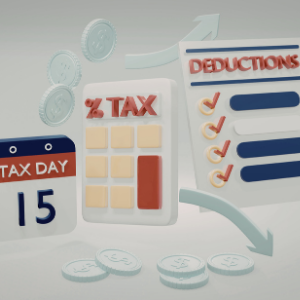
Property taxes are deductible under the SALT deduction or State and Local Taxes. But since 2018, that deduction has been capped at $10,000 total. That’s property taxes plus state income taxes combined, not each separately.
For most Longview homeowners, at around $2,790 in annual property taxes, you’ve got room to spare. But add state taxes on top and you might hit that ceiling faster than expected, depending on your income.
Also worth noting: this applies only if you’re itemizing your deductions. A lot of homeowners don’t, which means the deduction never factors in at all.
Run both scenarios with a tax professional before you file. It takes one conversation and it’s worth it.
Key Takeaways: Longview, WA Property Tax Rate
Longview’s property tax rate is genuinely one of the more manageable ones in Washington State. At 0.86%, you’re sitting below the county, state, and national medians. The median annual bill of $2,790 is predictable. With the right exemptions, the right appeal, and a little calendar awareness, there’s real room to bring that number down. Washington’s 1% levy cap keeps general rates from being too high. If your property taxes have become part of a bigger financial picture that’s getting complicated, it might be worth a conversation. Sell With Isaac works with Longview homeowners who need a fast exit without the hassle of listings, repairs, or waiting. Give us a call at (360) 207-4133 or fill out the form below and let’s talk through your options.
Helpful Longview Blog Articles
- Longview, WA, Neighborhood Map
- Longview, WA, Property Managers
- Free Things to Do in Longview, WA
- Best and Worst Neighborhoods in Longview, WA
- Fun Facts About Longview, WA
- Longview, WA Closing Costs Calculator
- Is Longview, WA a Good Place to Live?
- Cost of Living in Longview, WA
- Longview, WA Property Tax Rate: 2026 Updated