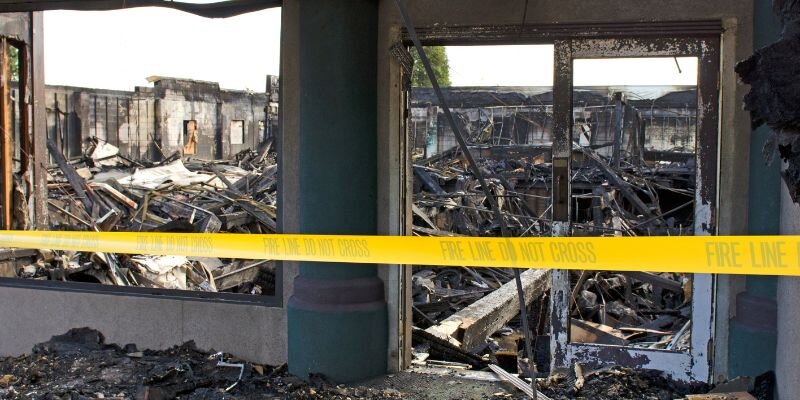
Even after weeks, the smell is still there, contractors are giving you crazy repair prices, and your insurance adjuster isn’t answering. If your Washington home has been damaged by fire, you already know how stressful it can be to clean up, wait, and not know what will happen next.
A lot of people don’t know this, but selling your fire-damaged house as-is can be a good idea. You don’t have to deal with lengthy repairs, insurance disputes, or high costs. You can move on without rebuilding or spending all your savings on a house that might never feel the same again.
Washington State Fire Damage Real Estate Laws
In Washington, sellers are required by law to disclose any damage to the property caused by events such as fire. They don’t have to. You’ll need to fill out the state’s disclosure forms, whether the damage is minor, from smoke or a total loss. The good news is that you only have to share what you know. You don’t have to look into things or find secret problems.
The goal of these rules is to protect both sides of the deal. Being honest about fire damage lowers your legal risk, keeps buyers from suing you again, and builds trust with them. It can also help your sale go through faster, since owners who are interested in fire-damaged homes usually want to know everything about the house and are more ready to move forward when they do.
Washington Fire Damage Property Disclosure Requirements
People in Washington State who want to sell their home must fill out Form 17 and include important details, such as any fire damage. That is, write down what you know about the event, like when, where, and why it took place. The list should also have problems that are hard to see. Damage from smoke and water from the fire are among these. So, are there any problems with the building that the fire department or your insurance company has found?
Let’s talk about something else. The buyer will look into it more, and you’ll have less reason to go to court. This builds trust right away. Some sellers are worried that buyers won’t be interested in these homes because they have fire damage. Being honest and organized can make the sale go faster and smoother. You could also add information from builders or insurance companies.
Contact us today to discuss your fire-damaged property and explore the best option for your situation.
Fire-Damaged House Inspection Requirements in Washington
People in Washington who own burned-down homes will usually have to go through checks. It might be good for you. As a buyer, you might not be able to see smoke damage, weak framing or dirty lines. That’s why many people hire fire restoration experts, structural engineers, and HVAC techs to inspect the house. After you make a claim, you have 30 days to get an inspection report. This study can also be used by people who want to buy something.
Most of the time, when someone checks something, they find things that can’t be seen, like mold or water damage. Things go a lot faster when people pay cash. Lenders check a lot of things, but buyers don’t have to. We only need to do a few quick checks. Many people want to sell their homes “as is” because they don’t want to fix up water damage, which will cost them a lot of time and money.
Washington Fire Damaged Home Valuation Process
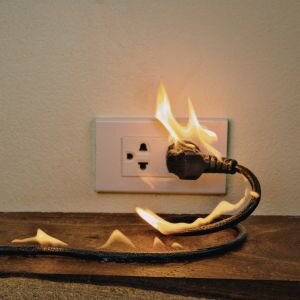
Most appraisals don’t account for smoke, water, or structural damage, so it’s hard to say how much the house is worth after a fire. It’s very important to know the extent of the harm. Light damage can make you worth 10–20% less, and heavy damage can make you worth 50–100% less or more. Still, more value doesn’t always mean more fix costs. You might want to leave it as is if fixing it up costs $80,000 and only brings in $60,000 when you sell it.
Value changes based on the Washington market health as well. People want to buy homes in places like Bellevue or Tacoma, even if the market isn’t very strong. A house damaged by fire may still receive many offers. To decide how much a house is worth, appraisers usually look at recent comparable sales, the cost to fix up, its value before the fire, and how much buyers are willing to spend on fixer-uppers. All of this means that each trait has a different value in each case.
Fire-Damaged House Market Value in Washington State
In Washington, each house costs around $611,301, and most sell in 8 days. However, the homes on exhibit are move-in ready. People who have lost their homes in fires are in a distinct market. People who are willing to pay cash can get anything quickly if the price is appropriate. Things may not sell as quickly in print ads.
The sort of harm done, as well as the market’s performance, is essential. Many people want to buy property, even if it has been burned down. This is an ideal way to live in Bellevue and Seattle. Prices may have to be cut if the market is slow. You should also know how much the land is worth. Some lots can preserve a large percentage of their value even if they aren’t in perfect condition, as long as they look good. You should also know what kind of fire it is. Some people may avoid fires because they believe they are unsafe. It is not difficult to forecast what will happen to pricing if one building collapses.
Insurance Claims for Fire-Damaged Houses in Washington
If you don’t create a fire, your home insurance will usually cover the damage. Even if the fire began with flames, this is true. In Washington, an insurance company has 10 days to evaluate whether to pay a claim after receiving proof of loss. However, if there are any fires, this may take longer. People who file a claim do not always receive the full amount of money from their insurance company. It is more crucial than ever because building expenses are rising, and some plans expire before repairs are completed.
You could be stressed out during the claims procedure since you have to wait and speak with staff and government authorities repeatedly. They may not always have to be honest with their clients. Some homeowners choose to sell their house as-is and receive proceeds from their insurance policy. They will be free of anxiety and expense for several months. Sell to someone who will pay cash while your claim is being processed. If you planned ahead more, you could receive your money sooner.
Washington Fire Damage Property Tax Implications
Fire damage doesn’t automatically reduce property taxes in Washington, but it can if it represents a significant drop in the assessed value of your house. Property taxes are based on assessed value. A horrific fire can force a rethink on that. To file an appeal, you need to provide strong proof of how the damage affects the structure and habitability of the home, including photos, insurance adjuster reports, fire department documents and contractor estimates.
Timing is key, since Washington has hard deadlines for filing appeals of property tax assessments, and if you miss them, you’ll be taxed on your pre-fire valuation until the next assessment cycle. If the property is uninhabitable, the county assessor may be able to grant temporary relief or approved upgrades. If you are selling, the timing of the appeal could affect how taxes are handled after closing. Cash buyers usually consider reassessment and tax penalties before buying.
Fire Damage Property Sale Options, Washington State
If you want to sell a fire-damaged house in Washington, you generally have three options: Repair and sell, list as-is, or sell to a cash buyer.
A standard sale with renovations can help you fetch a better price, but it will involve up-front payments, permits, managing a contractor and months of work before the home is ready to be marketed. Listing with a real estate agency and selling the property as-is saves you the cost of repairs, but sometimes means waiting longer for a buyer and more haggling once bidders find problems in their inspection.
The easiest and most predictable route is to sell it for cash directly. Cash purchasers, particularly those who focus on distressed properties, can often close in two weeks or less, without financing delays or inspection constraints. While the price may be below retail, you save on repair fees, carrying costs and uncertainties. For many homeowners, it’s a choice between speed and certainty and maximum sale price, especially when repair costs and time begin to outweigh possible advantages.
Fire-Damaged House Restoration vs. Selling in Washington
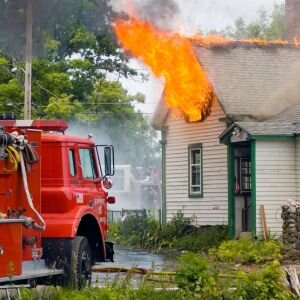
Whether to renovate or sell a fire-damaged property relies on the extent of the damage, insurance coverage, market conditions, and your personal circumstances. While restoration may seem like the best way to increase resale value, you also need to consider safety hazards, such as structural weakness, smoke damage, and even mold growth, that can make repairs more difficult than you may imagine.
Restoration expenditures are likewise all over the map, but don’t always convert into equivalent increases in value. Say you spend $60,000 on repairs. Your home’s worth may go up by only $45,000. Not only will you lose money, but you’ll also have to deal with months of delays and frustration. Many homeowners also find it emotionally difficult to return to a fire-damaged home even after it has been repaired.
Market conditions in Washington could play a role in the decision, with strong areas potentially allowing for quicker sales after restoration. But in a slow market, you can face carrying fees such as taxes, insurance and utilities while you wait for the perfect buyer. Many find these reasons to be a more practical and less stressful option than selling as-is.
Selling a Fire-Damaged House As-is in Washington
Selling as-is doesn’t imply selling cheap. It means pricing the property based on its current condition and being upfront about the damage. The right purchasers, investor home buyers in Vancouver, WA, and cash buyers are actively seeking out fire-damaged properties and understand the risks and potential value.
For as-is sales, you can get the greatest price by fully disclosing any known problems and offering documentation if available, such as insurance reports, fire department findings or contractor assessments. Washington law requires sellers to disclose material facts regarding fire damage and any restoration work. This protects you from potential disputes and keeps the process simple and honest for buyers.
The key advantages of an as-is sale are quickness and certainty. You won’t have to pay for repairs, wait for contractors, or worry if changes would add value. In addition to the above, it’s still vital to do your due diligence, researching comparable distressed properties and obtaining several bids where possible, but seasoned cash buyers may frequently act fast and provide competitive prices based on the state of the property.
Fire-Damaged House Buyer Types in Washington
There are usually three sorts of buyers who buy fire-damaged properties. Investors, flippers and owner-occupiers.
Investors typically purchase these houses as rental properties and weigh the expense of repairs against the anticipated rental income. Their closings tend to be quicker, but they negotiate more aggressively because their decisions are completely number-driven. On the other hand, flippers want to buy, renovate and resell the house at a higher retail price, so they might offer more than investors but need to conduct extensive inspections and obtain precise repair estimates before they commit.
Owner-occupants are the smallest segment, yet they can sometimes offer good prices. Buyers are often ready to put up with living through renovations in exchange for affordability, particularly in Washington’s pricier markets. But they often require financing, which can slow or complicate the process compared to a cash buyer.
Each buyer type has different expectations: investors want speed and profit margins, flippers focus on resale potential, and owner-occupants balance cost and livability. When you know who your property will appeal to, you can price accordingly and estimate the timeline, especially in places with hot investor activity versus slower-moving local markets.
Cash Buyers Fire-Damaged Properties in Washington
Selling a fire-damaged house is one of the easiest sales you can make if you sell to Washington cash buyers, because there are no evaluations, financing contingencies or bank approval delays. These purchasers, especially those who specialize in distressed houses, are used to smoke, fire and water damage and can analyze the property swiftly without being put off by the condition.
Cash offers are often lower than the price you may get on the open market, but they do have advantages: a set closing date, no need for repairs, and a lower likelihood of the purchase going through. This makes them especially helpful for homeowners seeking quickness and certainty rather than lengthy maintenance schedules or uncertain traditional sales.
Generally, this is a quick procedure. You call a buyer, they come see the house in a day or two, they make an offer within 24-48 hours, and if you accept, you can frequently close in 7-14 days. This eliminates showings, lengthy negotiations, and ongoing carrying costs, making it a feasible option for many fire-damaged property owners.
Fire Damage House Sale Timeline, Washington
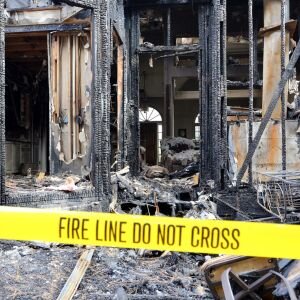
The timeline depends on the method you choose to sell. A traditional home sale that includes repairs can take anywhere from six to twelve months, given the need to do the restoration work, the availability of contractors, the permitting process and then the listing and marketing of the finished product. Sales through agents usually take 2-4 months, but might take longer depending on market conditions, buyer negotiations and finding an agent skilled with fire-damaged houses.
Cash sales are the quickest, usually closing in 1-2 weeks. Buyers can typically tour the home within days, submit an offer within 48 hours and close shortly after acceptance. And there are other elements that might affect the schedule, such as active insurance claims, ongoing living expenditures, permit requirements and overall market circumstances. This may make speed more important than optimizing price for many homeowners.
Washington State Fire Damage Property Documentation Requirements
Good paperwork helps you legally and gives buyers a clear picture of the condition of your fire-damaged property. Begin by noting the basics: when the fire occurred, what caused it and which areas were affected. Gather official reports, such as fire department incident reports, insurance adjuster reports, and contractor reports, as they provide confirmed facts about the amount of damage.
Good photographs are vital, too. Document all visible damage, as well as less evident problems, such as smoke discoloration, water damage from firefighting attempts, and any interim repairs or boarding. List everything you have done after the fire, including small cleanups and repairs and any air quality testing and structural assessments that can shed light on the state of the property.
For transparency purposes, seller disclosure statements are made to your actual knowledge and are not representations by real estate agents. Documentation is vital in traditional purchases, but might be a little more relaxed when dealing with experienced cash purchasers. They are comfortable working with the records available and don’t require the same level of reporting as financing or lender approvals.
Washington State Fire Damaged Property Investment Opportunities
Fire-damaged properties can be a tremendous opportunity for investors, especially in the high-value Washington cities of Bellevue, Kirkland, Redmond, Tacoma and Everett. Every year across the nation, billions of dollars in house fire damage occur. Typically, investors buy when property owners take big hits. They include estimates of repairs and of demand for sale or rental in their prospective profit.
The decision to spend will also depend on the purchase price, the costs of restoration and holding, and the expected resale or rental value. Some investors are seeking quick flips in 6-12 months, while others are turning homes into long-term rentals for cash flow. Sellers who understand these motivations can use this to inform pricing and negotiation, since investors often need to make money but will trade that for speed and certainty of a close.
Frequently Asked Questions
What Makes a House Unable to Sell?
Several factors can make houses difficult to sell, but fire damage is actually less problematic than many homeowners think. Properties with extensive structural damage, legal issues, or severe contamination face the biggest challenges. Fire-damaged houses typically sell to investors or cash buyers who specialize in restoration projects, even when traditional buyers aren’t interested.
What Is the Property Damage Law in Washington State?
Washington law requires sellers to disclose material damage or contamination to property due to events such as fire, earthquakes, or landslides. The law is found in Revised Code of Washington (RCW) § 64.06.005 and following. You must complete disclosure forms honestly based on your actual knowledge of the property’s condition and history.
How to Price a Fire-Damaged House?
Pricing requires researching current real estate trends and examining other fire damage cases to develop a comparative market analysis and pricing strategy. Start with your home’s pre-fire value, subtract estimated restoration costs, then adjust for local market conditions and buyer demand. Consider getting multiple cash offers to understand your property’s current market value.
What Devalues a House the Most?
The most important factors affecting the value of a fire-damaged home are: major structural damage, environmental contamination and legal problems. The extent of the damage is very important. Slight damage does not affect the value very much, moderate damage increases the cost of repairs, and severe damage can greatly lower the value. Location and local market demand in Washington also have a big role in how much that value fluctuates.
Fire damage is horrible, but people can do what they can given their situation. If it doesn’t make sense, don’t recreate it. If that’s not your way, you don’t need to go through extensive insurance fights. In a strong Washington real estate market, you have a few options. Remodel, sell as-is with an agent or hook up with a cash buyer. Each offers a different path to go forward.
If you want to talk through your specific situation without any pressure or obligation, I’m here. Sometimes it helps just to have someone who’s seen it all before walk you through your options. You can reach out to Sell With Isaac or call us. We’ll look at your property, explain exactly what we see, and give you a fair cash offer if that makes sense for your situation.
Whatever you decide, don’t let anyone pressure you into a quick decision you’re not comfortable with. Take time to understand your options. Get multiple opinions. Make the choice that’s right for your family and your future.
You’ve already survived the hardest part. The fire is over. The immediate crisis has passed. Now you get to decide what comes next.
Helpful Washington Blog Articles
- Guide to Selling a Cluttered or Hoarder House in Washington
- Do I Have to Sell My Home as Part of a Divorce in Washington?
- Guide on How to Sell a Condemned House in Washington
- How Long to Live in a Home Before Selling in Washington
- Selling a House with Delinquent Property Taxes in Washington
- Can an HOA Take Your House in Washington?
- How to sell your house rent-to-own in Washington?
- Can You Sell a House With a Lien in Washington
- How Much is Home Staging Cost in Washington
- Selling a House With Foundation Problems in Washington
- Sell a House as Is Without an Inspection in Washington
- Can Medical Bills Take Your House in Washington