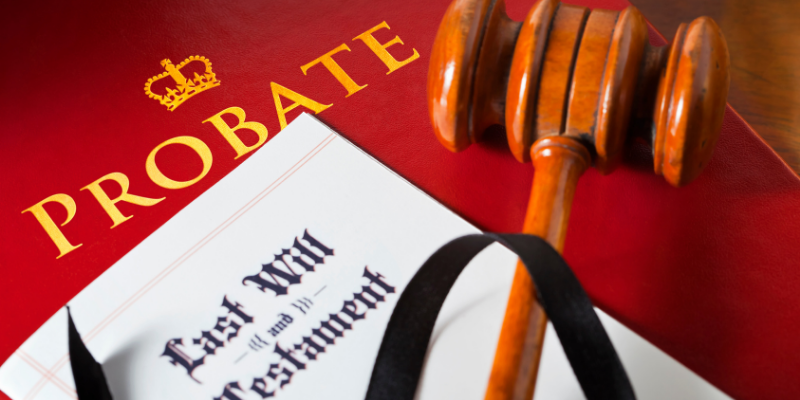
Probate has a terrible PR problem. The word alone conjures up dusty courtrooms and family drama that drags on forever. But selling a probate house in Washington is actually manageable once you understand how it works. This guide is your starting point.
What Is a Probate Property in Washington?

A probate property in Washington is real estate that was solely owned by someone who passed away. It now has to go through a court-supervised process before it can be sold or transferred to anyone.
When someone dies and leaves a home in their name only, the court steps in as the referee. It ensures debts are settled, and the right people receive what they’re owed. The house sits in the middle of all of that until everything gets sorted out.
Washington requires this for estates going through formal probate. And since real estate is usually the most valuable thing in an estate, it tends to be the thing everyone is focused on.
It’s worth knowing, though, that not every property ends up in probate. Homes held in a living trust or jointly owned with the right of survivorship can skip the whole thing. A transfer-on-death deed does the same. But when none of those are in place, probate is the route.
Can You Sell a House in Probate in Washington?
Yes, you can sell a house in probate in Washington, but you have to do things in the right order, or the whole sale can fall apart.
The property cannot go on the market until someone passes. The estate has to be formally opened in probate court. A personal representative gets appointed and receives legal authority to act on behalf of the estate. That part has to happen first.
Washington gives personal representatives two kinds of authority. Non-intervention powers mean you can sell without having to run back to the court for approval at every step. Full intervention powers mean the court stays involved and has to sign off before anything closes. What you get depends on the will and what the court decides when probate opens.
Once that authority is confirmed, things start to feel a lot more like a regular home sale. There are extra steps, sure. But the basics are the same. Get the home valued, list it, take offers, close.
What Does the Washington Probate Process Look Like?
The Washington probate process is a court-supervised series of steps that settles a deceased person’s estate before anything, including the house, can be transferred or sold.
It sounds intense. It’s really just a checklist with a courthouse involved.
Here’s the general flow:
- Someone files a petition to open probate.
- The court appoints a personal representative.
- That person’s authority is confirmed through Letters Testamentary or Letters of Administration.
- Debts and taxes get handled.
- Assets like the house can finally be dealt with.
The whole thing typically takes six months to a year in Washington. Sometimes longer if heirs disagree or creditors show up late to the party.
One thing that catches people off guard is the notification requirement. Heirs and creditors have to be formally notified, and there are deadlines for creditors to file claims. The court wants to make sure everyone who is owed something gets a fair shot before the estate closes.
It feels like a lot of moving pieces. But once you understand the order of operations, it becomes much less scary.
Key Roles in a Washington Probate Property Sale
A Washington probate property sale involves several key players. Here’s a list to save you the confusion.
The Personal Representative
This is the person running the show. They manage the estate and handle the paperwork. They also communicate with the court. They’re the one who signs off on the sale.
If the deceased left a will, the executor named in it usually takes this role. If there’s no will, the court appoints someone.
They carry a lot of responsibility. But they also have legal protection as long as they act in good faith and follow Washington probate law.
The Probate Court
The court isn’t there to make your life difficult. Its job is to make sure the estate is handled fairly and that no one gets shortchanged in the process.
Depending on the type of authority granted, the court may need to approve the sale price or hold a confirmation hearing. With non-intervention powers, its involvement is much lighter. Either way, the court is always in the background, keeping things on track.
Real Estate Agents and Attorneys
You really want people on your team who have done this before. A real estate agent with probate experience knows how to list the property correctly and handle the quirks that come with an estate sale.
A probate attorney is just as important. Families that try to DIY it without one almost always end up spending more time and money fixing mistakes down the line. The whole thing becomes smoother from day one when you have someone who knows Washington probate law in your corner.
How to Sell a Probate House in Washington
Selling a probate house in Washington isn’t that bad. Here’s how it works.
Step 1: Confirm Your Legal Authority
This is step zero, one, and everything before you touch anything else. You need your authority documents locked in before you call an agent or accept an offer.
The court issues either Letters Testamentary or Letters of Administration, depending on whether the deceased left a will. Letters Testamentary go to the executor named in the will. Meanwhile, Letters of Administration go to whoever the court appoints when there is no will.
That document makes it official that you have the power to sell. Every agent, title company, and escrow officer will ask for it, so get copies made early.
Washington also gives personal representatives two types of authority. The first is non-intervention powers, which let you run the sale without checking in with the court at every turn. The other one is full intervention powers which mean the court stays in the loop and has to approve the sale before it closes.
You need to find out which one applies to you on day one. It changes everything about the rest of the sale.
Step 2: Obtain an Estate Tax ID (EIN)
The estate needs its own tax ID number and no, yours doesn’t count.
You apply for an Employer Identification Number through the IRS at IRS.gov. It takes about 15 minutes and costs nothing.
Escrow uses this number to report the sale to the IRS. Using your personal social security number just creates a headache you really don’t want.
Sort this out before the property goes on the market.
Step 3: Get a Property Appraisal
As a personal representative, you have a fiduciary duty to the heirs. That’s a fancy way of saying you are legally on the hook for making sure the property sells at fair market value.
If you price it too low, the heirs may sue you for breach of fiduciary duty. Price it too high and buyers won’t come.
If the sale needs court confirmation, the judge will want to see that the price makes sense. A professional appraisal from someone who knows the Washington market is your best defense against any of that going sideways.
Step 4: Hire a Real Estate Agent and List the Probate Home
You need someone who has actually done probate listings before.
The seller on the listing agreement cannot be your name. It has to read as “The Estate of [Decedent’s Full Name]” and you sign only as a personal representative.
New agents often get it wrong.
Probate estates in Washington are also exempt from the standard Form 17 seller disclosure. Since the personal representative usually has no firsthand knowledge of the property’s condition, they can’t honestly complete it.
Make sure your agent includes the proper exemption language in the purchase agreement from the jump.
Price the home based on the appraisal and what the market is actually doing. A well-priced probate property moves faster and keeps everyone, including the court, happy.
Step 5: Review Offers and Request Court Confirmation If Required
What happens after you get an offer depends entirely on your authority type.
Non-intervention powers mean you can accept and move forward as you would in a regular sale. Full intervention powers mean you take that accepted offer to a court confirmation hearing before anything closes.
At that hearing, the court reviews the offer and sometimes opens the floor to overbidding from other buyers right there in the room. It sounds like a lot, but it goes fast when everyone knows what to expect.
Have your attorney there.
Also, make sure any accepted offer specifies that the property transfers via a Personal Representative’s Deed. That has to be in the purchase and sale agreement from the start.
Step 6: Close the Sale and Distribute the Proceeds
Closing a probate sale looks a lot like a regular closing, but with extra steps. Work with a title company and escrow officer who actually knows probate transactions.
This is not the time to figure it out together.
When the sale closes, proceeds go straight into the estate’s bank account. Debts come first, including mortgage, property taxes, and probate costs.
Whatever is left after that goes to the heirs based on the will or Washington intestacy law if there is no will.
The personal representative then files a final accounting with the court showing exactly where every dollar went. Once the court signs off, the estate is officially closed.
Keep all receipts and court orders in one folder throughout this process. Your future self putting together that final accounting will thank you.
Legal and Documentation Requirements When You Sell a Probate House in Washington
Getting the legal side right is not exactly the most exciting part, but it’s the part that keeps you protected and the sale from getting challenged later.
There are really just three things to nail.
Use the Right Deed for a Probate Sale
Most home sales in Washington use a Statutory Warranty Deed. Probate sales are different. Using the wrong deed type can unravel an entire transaction.
You need a Personal Representative’s Deed. It’s built specifically for transfers made by an executor or administrator and it limits the estate’s liability in a way a standard deed just doesn’t cover.
Get this into your purchase and sale agreement from day one. Not at closing. Day one.
Seller Disclosure Exemption for Probate Homes
Probate estates in Washington are exempt from completing the Form 17 seller disclosure, and the reason makes total sense.
You weren’t living in the house. You don’t know if the roof leaks or when the water heater was last serviced. The law gets that and doesn’t hold you to a standard you can’t honestly meet.
Your agent needs to know this upfront, though. The proper exemption language has to go into the purchase agreement early because leaving it out creates friction at the worst possible time.
Estate Bank Account and Proceeds Handling
When the sale closes, the proceeds cannot touch your personal bank account. Not even for a day. Everything goes into a dedicated estate account and that line cannot blur.
Mixing estate funds with personal funds puts your legal protection at serious risk. It also turns the final court accounting into a mess that nobody wants to deal with.
Set up the estate account before the sale closes. Document every transaction and keep it clean.
How Long Does It Take to Sell a Probate Home in Washington?

Selling a probate home in Washington typically takes six months to over a year from the time probate opens to the day the sale actually closes.
That number shocks people every time.
Most folks assume that once they have legal authority, they can just list the house and sell it like they normally would. The reality is there are layers and each one adds time, whether you like it or not.
Opening probate alone takes a few weeks. Then Washington’s creditor notification period kicks in and that window has to stay open before the estate can move forward. You can’t rush it.
After that comes the actual sale. You need to find the right agent and get an appraisal. You then list the property and wait for serious offers. In a normal market, that’s anywhere from a few weeks to a couple of months, depending on the home and the price.
If you’re under full intervention powers, add more time on top of that. Scheduling a court confirmation hearing and getting approval before closing adds weeks to the process.
Estate complexity plays a big role, too. A contested will or disagreements among heirs can push things well past a year.
What Happens When Heirs Disagree on Selling the Probate Property?
Heir disagreements are one of the most common reasons a probate sale stalls in Washington. If you’re in the middle of one right now, you are not alone.
It usually starts the same way. One heir wants to sell. Another wants to keep the house. Someone thinks the price is too low, or they have emotional ties that make the whole conversation harder than it needs to be.
The personal representative has legal authority to manage the estate, but that doesn’t mean everyone will fall in line. When heirs dig in, it can really slow the process down.
Washington courts generally favor selling when it’s necessary to pay debts or distribute assets fairly. The court isn’t going to let one heir’s feelings hold up the entire process forever.
Mediation is usually the first move. It’s faster and cheaper than going to court and it gives everyone a chance to be heard before a judge has to step in.
If that doesn’t work, the personal representative can petition the court to move forward. The court looks at what’s best for the estate as a whole.
Keep heirs in the loop throughout the process. Most conflicts get worse because someone feels left out or blindsided. Good communication fixes more problems than any legal motion ever will.
4 Mistakes to Avoid When Selling a Probate House in Washington
Probate sales can really be stressful and it’s almost always the same mistakes showing up over and over. Here’s what to watch out for so you don’t learn these lessons the hard way.
Listing the Property Before You Have Legal Authority
An executor gets appointed and the very next day, they’re calling agents and talking timelines because they just want to get things moving.
Completely understandable. Also, a fast track to a voided contract.
Without Letters Testamentary or Letters of Administration, anything you sign on behalf of the estate means nothing legally. Buyers walk and deals fall apart. Now you’re dealing with extra legal cleanup on top of an already complex process.
Your authority documents come first. Everything else gets in line behind them.
Skipping the Court Confirmation Step
If you’re under full intervention powers, the court has to confirm the sale before it closes. Some executors figure they can slip past this step and save a few weeks.
They can’t.
Skipping confirmation voids the sale and puts personal liability on the executor. That’s a rough situation to land in.
Get the hearing scheduled early and build it into your timeline from day one. Honestly, fighting the process never works out in anyone’s favor.
Using the Wrong Deed Type
A Statutory Warranty Deed is what most Washington home sales use, so it feels like the obvious move. For probate sales, it’s actually the wrong call, and finding that out at closing is a genuinely terrible experience.
You need a Personal Representative’s Deed, and it has to be in the purchase and sale agreement from the start. Not mentioned at closing or added as an afterthought.
A last-minute deed issue is exactly the kind of thing that sends an otherwise smooth deal off the rails.
Mishandling Sale Proceeds
Depositing estate proceeds into your personal account, even just for a day, is another mistake.
It blurs the line between your money and the estate’s. It also gives heirs or the court reason to start asking uncomfortable questions.
Everything goes into the estate account. Every dollar with zero exceptions.
Keep it clean from day one because your final court accounting will show every transaction. The last thing you want is to explain why estate funds ever touched your personal finances.
Washington Probate Property Sale for Out-of-State Executors
Managing a probate sale from another state is one of the more challenging aspects of this process. You’re dealing with Washington courts and Washington paperwork while living somewhere else entirely.
Your legal authority must still be filed with the Washington courts, regardless of where you live. A Washington-based probate attorney is not optional. Things can get delayed by months if you try to handle filings remotely without local legal help.
Once your authority is confirmed, much of this can be managed from a distance. Docusign exists. Most agents and escrow companies are used to working with out-of-state executors. The paperwork part is more manageable than people expect.
What you really need is good people on the ground. A great local attorney and an agent who knows Washington probate are the ones keeping things moving while you’re managing everything from afar.
Also, don’t sleep on property maintenance. A vacant home still needs utilities and basic upkeep. Neglecting that affects the sale price and can create liability for the executor.
How Cash Buyers Can Help You Secure a Fast Probate Property Sale in Washington

Traditional probate sales are already a lot. A vacant probate property costs money every single month it sits unsold. Mortgage payments, taxes, insurance, and utilities continue to accrue while the estate waits for the right buyer. That’s money coming straight out of what eventually goes to the heirs.
Here’s why cash buyers work so well for probate sales specifically:
- No lender approval needed, so there’s nothing waiting on a third party to greenlight the deal.
- No financing contingency means the deal won’t fall apart at the last minute over a loan denial.
- Closing happens in weeks, not months, which stops the bleeding on carrying costs fast.
- Cash buyers are comfortable buying as-is, so the estate doesn’t have to fund repairs it can’t afford.
- The offer is straightforward with fewer moving parts and less room for things to go sideways.
In a situation already complex, a cash buyer removes a significant chunk of risk.
Frequently Asked Questions About Selling a Probate House in Washington
What is the difference between a probate sale and a regular home sale in Washington?
A regular home sale is pretty straightforward. The owner lists the home, accepts an offer, and closes. A probate sale involves a court throughout, a personal representative acting on behalf of the estate, and legal requirements that must be met before anything can close. It takes longer and has more moving parts, but once you understand the process, it follows a clear path.
Do all estates in Washington have to go through probate?
Not all of them. Estates worth less than $100,000 may qualify for a simplified affidavit procedure that skips formal probate entirely. Properties held in a living trust or jointly owned with right of survivorship also bypass probate. If none of those apply, formal probate is the route.
Can the personal representative buy the probate property themselves?
Technically, yes, but it comes with serious scrutiny. The court closely monitors these transactions because of the obvious conflict of interest. The personal representative has a fiduciary duty to the heirs, which means the sale has to be at fair market value and fully transparent. Any whiff of self-dealing and the court will shut it down fast.
What happens if no one wants to buy the probate home?
If the property sits on the market without serious offers, the personal representative has options. Adjusting the price is usually the first move. If the home needs work that’s scaring buyers off, the estate may need to weigh the cost of repairs against a lower sale price. Cash buyers are also worth considering here, as they buy properties in any condition and can move quickly when a traditional listing isn’t gaining traction.
Key Takeaways: Selling a Probate House in Washington: Do’s and Dont’s
Selling a probate house in Washington is a process with real legal weight behind each step. You should get your authority confirmed early and use the right deed. You should also keep estate funds separate from yours and work with people who actually know probate. Those four things alone will keep you out of most of the trouble that slows other executors down.
If you’re looking for a faster way through this, Sell With Isaac is ready to help. They buy houses for cash in Washington, skipping the hassle of a traditional probate sale. Sell With Isaac is a local cash house-buying company serving Vancouver, WA, and nearby cities. A cash offer might be exactly what the estate needs right now. Give us a call at (360) 207-4133 and let’s figure out the best path forward together.
Helpful Washington Blog Articles