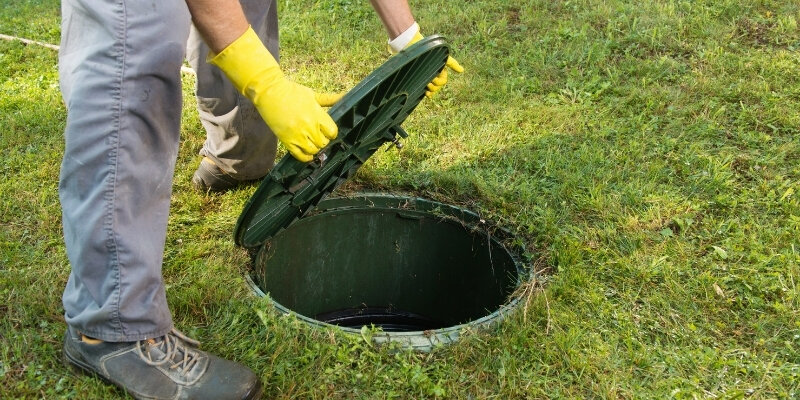
Sewage backed up into the first-floor bathroom on a Wednesday morning, and by Thursday, the homeowners had already missed two calls from their real estate agent. Septic problems usually reveal themselves to me this way: someone tried to ignore it, and the house went on the market anyway. Sitting on a property with a failing or non-compliant septic system right now, you’ve got more options than you probably think.
What Is a Septic Tank and How Does It Work?
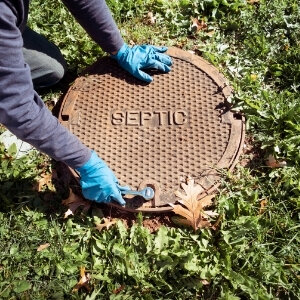
About one in five American homes handles its own wastewater through a private septic system, never connecting to a municipal sewer at all. A massive share of the housing stock is affected, and many homeowners have no idea what’s actually happening underground.
A septic system is a private wastewater treatment setup buried on your property. Every time someone flushes a toilet, runs the kitchen sink, or drains a bathtub, the sewage travels out of the house through a main drain line and into the septic tank. Inside the tank, solids settle to the bottom as sludge, lighter materials float to the top, and the liquid wastewater in the middle flows out to the drain field (the part buyers always ask about), also called a leach field.
Real work happens in the drain field. Perforated pipes spread wastewater through the soil, where it filters and treats itself naturally. Tree roots near the leach field are one of the most common causes of system failure (willows and maples are the worst offenders); they choke the pipes, slow drainage, and eventually destroy the drain field entirely.
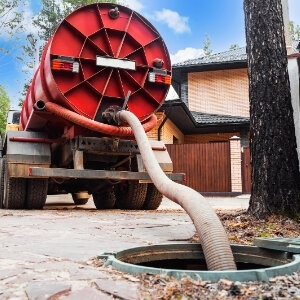
Regular maintenance, including pumping every three to five years, protects both the drainage system and the property value behind it. When sludge builds to about a third of the tank’s total volume, solids start escaping into the leach field and clogging the soil (leach field repairs are expensive).
Legal Requirements for Selling a House with a Septic Tank
Skip disclosure, and you’re not just risking a sale falling apart; you’re opening yourself up to lawsuits, fines, and a sale that unravels after closing. In most U.S. states, sellers must disclose any known material defects to buyers, and a failing septic system absolutely falls into that category under real estate law.
Two weeks ago, the Delgado family in Prescott, Arizona, was three months behind on their mortgage, with an auction date already scheduled. Their three-bedroom ranch had a septic system that hadn’t been inspected in over a decade (a common feature on rural Arizona properties). We were able to move fast because we understood the legal picture immediately. In Arizona, sellers must disclose known septic defects in writing, and buyers must receive that information before signing a contract.
Regulations vary by state and county, so a quick call to your local health department is worth making. Some states, such as Massachusetts, which has Title 5 requirements, mandate a licensed inspection before any property transfer. Other jurisdictions require sellers to repair or replace a failed system before the sale can close. The EPA offers guidance on federal standards for on-site sewage systems, which serve as a useful baseline, though county rules often go beyond the federal minimums.
Ignoring the legal side because you assume buyers won’t ask is a mistake sellers often make. Buyers ask. Their lenders ask. And their inspectors are trained to find problems.
How to Tell If Your Septic Tank Is Compliant and Working Properly
Compliance isn’t a feeling; it’s documentation. If you can’t produce a recent inspection report, buyers and lenders will assume the worst.
Physically, a failing septic system gives clear warnings: slow drains, foul odors near the yard, unusually green grass over the leach field, and standing water near the tank all point to trouble. Sewage backing up into the house means the system has already failed.
A licensed inspector will check sludge levels, examine the distribution box, test the drain field, and look at pipe integrity. A standard inspection runs between $300 and $650 for a real estate transaction, with more thorough camera evaluations reaching $900 or more, depending on property size and location. That cost is a fraction of what a failed system costs at the negotiating table and in delayed closings.
The EPA recommends inspecting your septic system at least every 3 years, but many homeowners skip this for a decade because septic systems tend to stay out of sight and out of mind. If that sounds familiar, get an inspection scheduled before you list. Knowing your system’s condition lets you price and present the property with clear supporting evidence.
Can You Sell a House with a Septic Tank?
Yes, you can sell a house with a septic tank, whether it’s functioning well, aging out, or fully failed. Your path forward depends on the condition of the system and your market. A well-maintained system with documentation, service records, and a clean inspection report can build buyer confidence rather than create anxiety. Homebuyers in rural or suburban areas often have experience with septic systems and don’t see them as a liability when the maintenance history is solid.
A failed system changes the math. Many mortgage lenders won’t approve financing until a failed septic system is repaired or replaced, which means a buyer using conventional financing simply can’t close. That narrows your buyer pool to cash buyers and investors, lender approval stalls, days on market climb, and repeated price reductions tend to follow, with each cut signaling desperation to the next buyer. Documented septic problems have pushed property values down by 15 to 20 percent in some cases, according to environmental consultants who work in real estate transactions.
Your three realistic options are: fix the system before listing, price the property to reflect the cost of repairs and sell as-is on the open market, or sell directly to a cash buyer who can take the property as-is without lender involvement. Teams like Sell with Isaac buy properties with septic issues regularly and can often move to closing faster than a traditional listing, which matters when you’re running low on time or money. If your property is in the state, working with a company that buys houses in Washington can skip the financing hurdles altogether.
Sellers who find out about septic issues before listing are in a much stronger position. A pre-listing inspection, even when it reveals problems, gives you time to make decisions without a buyer’s attorney breathing down your neck. Drain field replacement costs range from $3,000 to $15,000, depending on soil conditions and system size, and septic tank repairs typically cost $600 to $3,000 for component-level fixes. Knowing those numbers before listing lets you price honestly and move fast.
Septic Tank Disclosure Requirements When Selling a House
Some sellers push back on disclosure. They say, “Why tell buyers about problems before they even ask?” Buyers will find out. Their inspector will find out. And if they find out after closing, you’re looking at a lawsuit.
Disclosure requirements are designed to protect buyers from purchasing a property with hidden material defects. A septic system problem qualifies as a material defect in virtually every state. Sellers are legally required to disclose known information in writing to potential buyers. This includes failed inspections, known sewage backups, prior repairs, and any documented compliance issues with local health codes (permits and lab reports count here).
Proactive disclosure tends to work in your favor. Receiving complete information up front tends to make buyers trust the seller more, leading to fewer last-minute renegotiations and a lower risk of the transactions collapsing. Factoring the repair cost into your asking price from the start strips away a buyer’s most powerful negotiating chip, and that alone keeps more transactions alive through closing.
The National Association of Realtors publishes guidance on seller disclosure obligations, but local rules are what matter most. A real estate attorney familiar with your county’s requirements is worth a short consultation fee.
Buyer vs. Seller: Who Is Responsible for the Septic Tank
Responsibility before closing sits primarily with the seller. You own the property and the system on it. If the system fails during the listing period, that’s your problem to address or disclose. If local law requires repair before transfer, you bear that cost unless you negotiate otherwise with the buyer in writing (and get that agreement documented).
After closing, the buyer assumes full responsibility for the septic system’s maintenance and any future repairs. That transfer of responsibility is exactly why buyers are so motivated to identify problems before they sign. Transactions that document the agreement, with an inspection days before closing, with no agreed-upon repair plan, so getting the septic inspected early gives everyone time to negotiate.
In most real estate transactions, buyers pay for their own septic inspection as part of due diligence. Sellers sometimes pay for a pre-listing inspection to address potential problems. Either way, if the inspection reveals a failed system, the seller typically repairs it, offers a credit at closing, or reduces the asking price, usually by more than the repair estimate. The American Society of Home Inspectors maintains resources to help both parties understand what a thorough septic evaluation should include.
How a Septic Tank Affects Your Home’s Property Value

Henry Hernandez reached out to me from Baton Rouge, Louisiana, where he was managing the sale of his mother’s home while she transitioned to assisted living. The house had a single-car garage packed with decades of stored furniture and a septic system that inspectors flagged as non-compliant. Neither issue was impossible; both added complexity.
Property value and septic condition are directly linked. A well-maintained system with regular pumping records and a recent clean inspection can match the perceived value of a home on city sewer. A properly functioning system built to the right specifications can last 25 to 40 years, making it a genuine asset rather than a liability.
A neglected or failed system tells the opposite story. Appraisers lower their valuations, buyers sharpen their negotiating pencils, and the longer a failed system sits undisclosed or unresolved, the worse the outcome tends to be for the seller.
Do you know when your septic tank was last pumped or inspected? If you have to think hard about that answer, there’s a real chance buyers will think hard about your property too. Proactive sellers, especially those working with a direct buyer like cash house buyers in Vancouver, WA, can skip the drama entirely. A cash sale based on the property’s current condition means no lender inspection requirements and no transactions collapsing over a drain field.
Frequently Asked Questions
Is It Illegal to Sell a House with a Failed Septic System?
Not always illegal, but it comes with legal obligations. Most states require full disclosure of known septic failures to potential buyers in writing. Some jurisdictions go further and require repairs or replacement before a sale can close. Skipping disclosure opens you up to post-sale lawsuits and financial penalties that can exceed the repair cost itself.
Who Pays for the Septic Inspection, Buyer or Seller?
In most real estate transactions, the buyer pays for their own septic inspection as part of due diligence. Sellers who want to stay ahead of the process sometimes pay for a pre-listing inspection on their own. If the inspection reveals problems, the seller typically absorbs repair costs, offers a closing credit, or reduces the asking price to reflect the system’s condition.
What Should You Not Fix Before Selling a House?
Cosmetic upgrades like fresh paint in every room, landscaping overhauls, or replacing appliances that still work often cost more than they return at closing. Septic system problems are a different category; they affect lender approval, buyer eligibility, and your legal obligations, so they’re harder to leave unaddressed. Repairs that don’t directly affect a buyer’s ability to finance or occupy the home are usually the ones you can skip.
Is Buying a House with a Septic Tank a Bad Idea?
Not at all, as long as the system has been properly maintained and the inspection comes back clean. A well-functioning septic system on a rural or suburban property can operate for decades without major expense. The risk comes from buying a home with an undisclosed or poorly maintained system, which is why a thorough inspection before purchase matters so much.
If you’re dealing with a septic tank issue and trying to figure out your next move, contact us, and we’ll talk it through. No repairs required, no obligations, and no pressure to decide anything on the spot.
Helpful Washington Blog Articles