
Many homeowners in Washington State facing foreclosure inquire if they may still sell their property throughout the foreclosure process. The answer is yes, in most instances. “Until the trustee sale, the homeowner generally has the right to sell the home. Since foreclosure timelines tend to move swiftly, especially in Washington, where most home foreclosures are non-judicial, it is vital to act early.
Selling before a foreclosure is finalized can assist in protecting home equity, decrease long-term financial effects, and prevent the credit impact of a completed foreclosure. Washington foreclosure rules and available options make it possible for homeowners to make informed decisions before losing possession of the property.
What Is Foreclosure in Washington State
Washington is mostly a non-judicial foreclosure state. Most residential mortgages are backed by a Deed of Trust, which allows lenders to foreclose without filing a suit in court. The system means that foreclosure generally proceeds faster than in judicial foreclosure states.
While lenders can begin foreclosure following missed payments, homeowners still have ownership rights during pre-foreclosure. This means they can sell the property, work out a deal with the lender, try to mediate, or explore loss mitigation strategies before the trustee sale occurs. But these rights are time sensitive and are lost when the foreclosure is accomplished.
Federal law normally requires lenders to wait at least 120 days following the first missed mortgage payment to initiate foreclosure procedures. If the loan is not settled after that period, the lender may send a Notice of Default and follow Washington’s foreclosure timeline.
Washington Foreclosure Timeline
In Washington, the foreclosure process generally takes between seven and nine months from the initial missed payment to the final trustee sale. However, the actual period might vary depending on the lender’s activities and the borrower’s response.
In the early phases of delinquency, there may still be plenty of room for the homeowner to sell or negotiate. The timescale becomes tighter once the Notice of Default is issued. If not resolved, a Notice of Trustee Sale may be recorded and a sale date established.
Since real estate sales include inspections, title work, loan approval, and closing coordination, homeowners should not wait until the final stages of foreclosure. Even in hot property markets, unforeseen delays might endanger a deal. You have the most options available to take action while you are in early pre-foreclosure.
Homeowners’ Rights Pre-Foreclosure
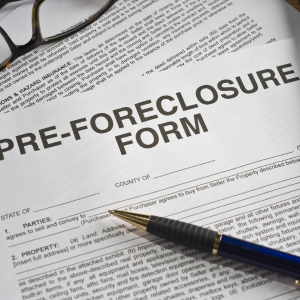
There are certain crucial rights that homeowners in Washington have during pre-foreclosure. They can sell the property, work with a real estate consultant, speak directly to the lender, request mediation where eligible, apply for loan modification programs, or bring the mortgage current before foreclosure deadlines.
These protections are only prior to the trustee sale. After the sale is done, ownership goes to the buyer, and most of the choices relating to foreclosure disappear. So early action is typically the most crucial factor in maintaining financial flexibility.
Homeowners may also request updated loan payback statements, verify notices of foreclosure for accuracy, and seek legal or housing counseling aid as needed. Knowing what rights are available and when can assist in avoiding missed chances in the foreclosure process.
Non-Judicial and Judicial Foreclosure
Washington law provides for both judicial and non-judicial foreclosure, but non-judicial foreclosure is much more typical for residential property.
Nonjudicial foreclosure does not include court oversight and often moves more quickly under a trustee-administered process. Judicial foreclosure is the one with the courts involved and typically takes longer. Judicial foreclosure also provides lenders the opportunity to seek deficiency judgments in some cases.
The non-judicial foreclosure process is swift, and homeowners who are looking to sell should be diligent about tracking deadlines and coordinating any deal before the date of the trustee sale. Knowing whether the foreclosure process applies to a property is critical since it affects timing and legal safeguards.
Selling a Home in Foreclosure
You can usually sell during the foreclosure process until the sale by the trustee. This is a popular choice for homeowners since it may avoid a completed foreclosure from appearing on their credit report and may allow them to keep their equity after making mortgage commitments.
The more quickly a homeowner advertises or markets the property, the better chance of attracting eligible purchasers and negotiating fair conditions. Waiting until foreclosure deadlines are looming may limit your alternatives and negotiation power.
Washington Foreclosure Mediation Program

Washington’s Foreclosure Fairness Act enables foreclosure mediation for qualifying homeowners. It allows borrowers and lenders to communicate and may put off the foreclosure process while conversations are taking place.
Mediation can lead to a loan modification, repayment agreement, short sale approval, or more time to close on a property sale. There are deadlines and qualifying requirements for mediation, so it’s important for homeowners to seek help as soon as they get foreclosure letters.
Mediation also might provide an opportunity to look over loan servicing records, discuss financial hardship circumstances, and explore alternatives that might not otherwise be addressed. Mediation can not promise a certain result, but it can offer valuable time and a framework for good negotiation.
Emergency Sale Tactics
If foreclosure deadlines are nearing, homeowners may have to sacrifice the maximum sale price in exchange for speed and certainty. Depending on the market conditions and the time you have, you might want to investigate a few techniques.
If priced according to the urgency and local market demand, traditional listings can still succeed. Cash purchasers and real estate investors can close faster and have fewer financing issues, but homeowners should verify qualifications and proof of finances before advancing. In some markets, instant-offer firms can be an alternative, too, albeit convenience usually comes at the cost of lower purchasing offers.
Whatever the route, a fair price and quick action are usually required to get a sale done before foreclosure. Such delays in inspections, underwriting, or negotiations might impact closing deadlines, making preparedness and coordination particularly crucial.
Partnering with Real Estate Agents
If a home is in foreclosure, selling it usually requires a lot of cooperation between the homeowner, the lender, the escrow experts, and potential purchasers. A real estate agent who has experience in distressed property transactions can help to coordinate these moving elements more efficiently.
Agents who understand the foreclosure process can help with pricing, marketing, negotiations, and communication between a seller and a buyer. But not all agents are experienced in foreclosure-related deals. Homeowners should ask about previous experience with foreclosures or short sales, average days on the market, and how to manage time-sensitive sales.
Professional help may also include referrals to title firms, housing counselors, attorneys, or financial consultants when extra knowledge is needed.
Documentation and Close-out Requirements
Sales tied to foreclosure often require precise documentation and timing. Standard real estate documents include purchase agreements, property disclosures, title documents, and, where relevant, homeowners’ association information.
Additional foreclosure documentation may include the Notice of Default documents, updated loan payback statements, lender authorizations, and mediation documents if mediation has been sought.
Closing must occur prior to the trustee sale date, and hence, proper documentation and communications between all parties is critical. Lack of information or slow responses from the lender could threaten the deal.
Solutions Alternative & Short Sale
If the value of the property is less than the mortgage obligation, you may contemplate a short sale. A short sale is when the lender agrees to let the home sell for less than the remaining loan sum. While short sales still have a credit impact, they’re typically seen as less damaging than foreclosure, and they can help limit long-term financial damage.
Another choice is a deed in lieu of foreclosure, which involves a transfer of ownership directly to the lender instead of through foreclosure. Although this could get you there faster, the lender has to approve it, and the homeowner still loses the property.
Loan modification can also help by offering temporary respite through the adjustment of payment terms or lower monthly responsibilities. Generally, federal protections prevent lenders from moving forward with foreclosure if a thorough application for loan modification is in process.
Each home-selling option carries different financial, legal, and credit implications. Working with a company that buys houses in Washington may be the right choice depending on a homeowner’s equity, income, mortgage status, and long-term housing goals.
Legal and Bankruptcy Aspects
Bankruptcy can temporarily halt foreclosure under the automatic stay clause. Chapter 7 and Chapter 13 bankruptcy offer different types of relief depending on income, assets, and ability to pay. Bankruptcy can delay foreclosure, but it does not necessarily cure mortgage default. Bankruptcy should be considered with legal advice.
Washington homeowners should be aware of the state’s foreclosure protections. Most nonjudicial residential foreclosures do not permit lenders to seek deficiency judgments following the trustee sale. Washington, however, often does not give a redemption period after the sale, meaning homeowners lose the property once the sale is final.
Disputes over foreclosures, lender mistakes, or complex financial situations can all benefit from the advice of a knowledgeable attorney. The legal rights and procedures involved depend on the circumstances.
Financial and Tax Impact

Selling or settling foreclosure-related debt could have tax consequences. Rules on capital gains, reporting of debt forgiveness, and IRS regulations can affect the bottom line. Homeowners contemplating a short sale or negotiated debt relief should seek the advice of tax professionals to understand potential obligations and exemptions.
Washington does not have a state income tax; federal tax requirements may still apply, depending on the transaction. Debt cancellation and forgiven amounts or sale proceeds may necessitate documentation and reporting that impacts an overall financial recovery for a homeowner.
With proper financial planning during foreclosure, unforeseen tax loads can be reduced, and more informed decision-making can take place.
FAQ
Can I sell my home in Washington State during foreclosure?
Yes. In Washington State, the homeowner often has the right to sell the property at any point before the trustee sale is complete. Selling in foreclosure can let homeowners pay off the mortgage, maintain remaining equity, and avoid the long-term credit damage of a final foreclosure.
How Long Does It Take for Foreclosure in Washington State
A foreclosure in Washington is normally non-judicial and can take around seven to nine months from the date of the first missed mortgage payment to the trustee’s auction. Under federal law, lenders normally must wait at least 120 days after a missed payment before formally commencing the foreclosure process. Actual timelines may vary due to lender actions, mediation, and borrower response.
The 120-Day Foreclosure Rule: What It Means
The 120-day rule is a federal consumer protection that generally prohibits mortgage lenders or servicers from commencing foreclosure proceedings unless a borrower is at least 120 days overdue on mortgage payments. This time allows owners the chance to consider alternatives such as loan modification, repayment plan, refinancing, or selling the home.
Is There a Redemption Period After Foreclosure in Washington?
Most nonjudicial foreclosures do not provide for a right of redemption after sale in Washington. In general, this means the homeowner cannot redeem the property after the trustee sale by paying the amount later. That limitation means that homeowners should be aware of sale or negotiating possibilities before the foreclosure sale date.
How Does Foreclosure Affect Your Credit Report?
Yes. A completed foreclosure can have a major impact on a homeowner’s credit profile and can stay on credit reports for years. Credit effects differ from person to person and lender to lender. Selling the property before the foreclosure is finalized or discussing alternate options may help to mitigate long-term financial implications.
What’s the Difference Between a Short Sale and Foreclosure?
In a short sale, the property is sold for less than the mortgage sum with the lender’s approval, while in a foreclosure, the lender takes control of the property and sells it when the borrower defaults. A short sale often involves negotiations with the lender and is often perceived more favorably than a final foreclosure (though both have an impact on credit and financial position).
Is winter the best or worst time to sell a house in Washington?
Weather and less foot traffic from buyers could mean a slower pace for the Washington real estate business in the winter months. But local market variables, price strategy, property quality, and foreclosure timeframes usually play a bigger role in sale speed than season alone. Even in a slower market, homes that are priced correctly will still attract qualified purchasers.
Conclusion
Foreclosure doesn’t have to mean the end of the road for a homeowner. Washington homeowners still have options before the trustee auction, including selling their property, working out arrangements with lenders, or pursuing legal and financial alternatives. There are limits on how long you can take before foreclosure, and it takes time to transact, so taking early action is usually the best strategy to maintain flexibility and minimize long-term financial impact.
Facing foreclosure can be overwhelming. By understanding the process, reviewing your options, and getting professional support, you can take informed steps that may lead to a better financial outcome. Sell With Isaac buys houses for cash—reach out today.
Helpful Washington Article
- Can You Sell A House That Failed Inspection in Washington
- Can You Put A Lien On A House in Washington
- Tax Implications of Selling a Home in Washington
- What Happens to My Escrow When I Sell My House in Washington
- How to Sell an Investment Property in Washington
- Sell Home to Pay Off Debt in Washington
- Guide to Selling Your Washington House with a Squatter
- Can Someone Sell My House Without My Consent in Washington?
- How To Sell An Inherited House In Washington
- Paperwork Needed to Sell Your House by Owner in Washington
- Can You Sell A House with Mold in Washington
- Can A Seller Back Out of A Contract in Washington
- Can You Sell A House in Foreclosure in Washington