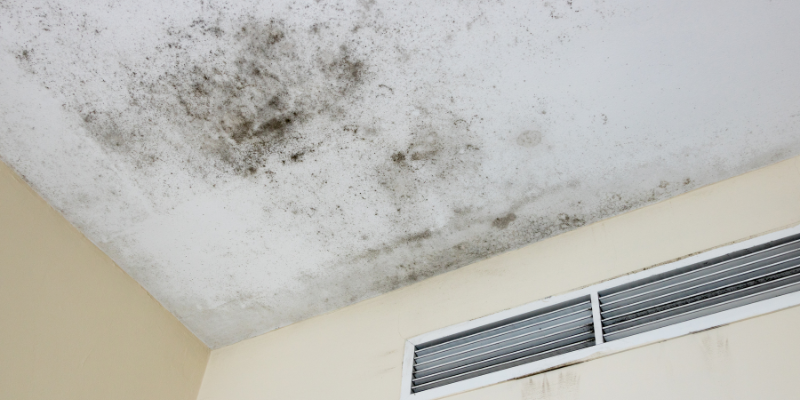
The second I stepped into the Ballard house, the musty scent hit me. The homeowner knew that as well. “We have a mold situation,” she replied, pointing to the basement stairs. “Can we still sell this?”
I have purchased hundreds of houses all over Washington State, from the rainy Bellingham area to the dry hills of Spokane. Mold is more common than you realize. The scoop? Can you sell a house with mold in Washington? Yes, definitely. It’s about doing it lawfully, doing it openly.
Here’s what you need to know about selling your property with mold in tow.
Washington Climate Factors that Lead to Mold Growth in Homes
The climate in Washington is almost an invitation to mold. Seattle’s wet, moderate climate is a breeding ground for mold, especially in places like the older homes of Capitol Hill or the damp basements of Ballard. Seattle has rain 150 days a year. Add to that the extreme humidity, and mold can quickly grow.
The Puget Sound region gets a beating of moisture all year. Western Washington has about 150 wet days a year. That perpetual wetness finds its way into basements, crawl spaces, and regions with poor ventilation.
Western Washington’s wet climate encourages constant mold conditions. Moisture issues are also a problem even in homes in Tacoma, Everett, and Bellevue. That’s all that Pacific moisture, right here in our backyard, in the Olympic Mountains.
The risk of mold is real in Eastern Washington; it varies. Spokane and the Tri-Cities are generally drier overall, yet they are still plagued by basement moisture concerns from snow melt and occasional heavy storms. In addition, many older homes around the state don’t have sufficient ventilation systems.
I’ve witnessed mold problems in million-dollar homes in Mercer Island and $200,000 starter homes in Yakima. Weather doesn’t care about pricing points.
Building Codes and Mold Prevention Standards for Washington State

By now, the building regulations in Washington have been tweaked for our moldy climate. The state demands effective moisture barriers, adequate ventilation, and particular insulation criteria in new buildings.
Current codes require exhaust fans in the bathrooms and laundry facilities. “Crawl spaces require vapor barriers and ventilation.” These aren’t simply tips; these are mandates that assist in preventing the conditions that mold enjoys.
Older homes built prior to the codes being put in place have a tougher time. Many homes in communities like Fremont, Queen Anne, and Capitol Hill were built before moisture control was a well-established discipline.
Older Seattle properties (pre-1978) require additional lead-safe work methods, adding an additional $200-400 to your total. These regulations impact the antique housing stock in Fremont and Queen Anne in particular.
It also calls for proper grading around foundations to keep water away from homes. Poor drainage is a perfect storm for basement and crawl space mold.
Environmental Health Department Residential Mold Regulations
Washington is one of the few states that doesn’t have a single statewide mold licensing system. Washington does not have a universal mold license; independent inspectors and precise written scopes are very crucial before cleanup.
That implies you must be very careful while choosing mold professionals. Search for credentials from organizations like the Institute of Inspection, Cleaning, and Restoration Certification (IICRC).
Permits for mold removal initiatives of more than 10 square feet in Seattle. The permit is $186 for residential properties, with inspection fees of $165-245 depending on the complexity of the renovation. Contractors must have proper environmental restoration licenses from the King County Health Department, which brings validity but also costs to your project.
Local health agencies provide advice and referrals, but they don’t control mold like they do other environmental risks. This places a greater onus on you as the homeowner to make educated choices.
Professional Mold Inspection & Testing Before You List Your Home
A professional mold examination before listing provides important information. Mold Inspection Cost $300 to $1,025. The inspector will do visual and lab testing to see if you have a mold infestation and the kind, location, and severity of the problem.
If you suspect you have mold or have experienced water damage, I always recommend testing. The inspection shows you what you’re dealing with and what you’ll have to disclose to buyers.
Most states do not require sellers to test for mold before offering their home. But if the seller knows about the mold, they have to tell you.” If there is a suspicion of mold, sellers can elect to have an expert check the property to assess the severity of the issue. Getting this information up front can help prevent delays or problems down the road in the sales process.
Professional inspectors will use moisture meters, air sampling, and surface testing to find issue areas. They’ll look for common trouble places, including restrooms, basements, crawl spaces, and areas around windows and doors.
The inspection report serves as your roadmap, outlining exactly what needs attention while providing valuable proof for potential buyers. If you want to sell your house fast in Vancouver, having a clear inspection report can help build trust and speed up the selling process.
How Mold Impacts Washington Real Estate Market Value
Mold certainly does affect your home’s value, but it’s not necessarily a deal-breaker. Mold can have a big impact on the value of a property on the market in Washington State. Many purchasers are reluctant to acquire homes with mold issues, knowing they’ll face expensive repairs, continuous maintenance and health problems.
Here’s the truth: The housing market in Washington state is leveling off, with median home prices statewide about $587,000. With homes selling for an average of more than half a million dollars, purchasers expect them to be in terrific shape.
Depends on the severity of the mold problem. A bathroom with surface mold might diminish your home’s worth by a few thousand dollars. If there is extensive mold in the basement, you could lose $10,000 to $20,000 in value or more.
I’ve seen sellers negotiate mold remediation expenses with buyers instead of taking a big fall on price. Sometimes it’s better to provide credit for repair than to undertake the job yourself.
In a red-hot market like Bellevue or Kirkland, even well-stated mold problems may hardly impede a sale. They can be more of an issue in a slow market.
Washington Real Estate Law and Seller’s Liability for Mold Problems
Washington law is very explicit on the duty to disclose. Washington State law mandates that sellers of residential real property disclose all material facts.
Washington State law is unambiguous when it comes to disclosing major deficiencies in real property transactions. Mold can cause structural damage to a home. It can cause health issues. It is something that is considered a significant fact that should be reported to potential purchasers. The Washington State Seller Disclosure Statement (aka Form 17) asks sellers directly if there is any mold or water intrusion.
The legal requirement is simple: If you know about mold, you must disclose it. The seller is required by statute to disclose material problems to the house, and mold would normally be deemed a substantial defect (the cost of treatment is approximately $5,000).
If you don’t disclose known mold problems, you could face legal ramifications, including lawsuits, revoked sales or costly repairs after closing.
I’ve seen sellers and dealers try to conceal mold issues, and it rarely ends well. Buyers often uncover the problem during inspections or after closing, which can lead to legal disputes and attorney involvement. Being upfront is always the better choice, as litigation costs far more than addressing the issue honestly. If you’re dealing with a property affected by mold, we buy houses in Washington and can help provide a straightforward solution.
Mold Disclosure in Washington State When Selling a Home
Several people ask, “Is it illegal to sell a house with mold?” The answer is yes, you cannot sell a house with mold in several places, including Washington, without revealing it. The property owner must fill out a form to show to prospective purchasers. The form compels sellers to answer a series of questions about the residence with “yes,” “no,” or “don’t know.” Homeowners must be truthful in filling out the form and mention any conditions they know about. Homeowners must declare if their home has a defect that could impair the desirability of the home, even if it is not directly listed on the form. And that means mold. Failure to reveal the mold is not only a subject of deception, as it is with other transactions: if the home has mold, it is against the law not to disclose.
Yes, there is a ” Form 17 ” which asks all types of inquiries and forces the seller to reveal all difficulties. The normal purchase contract states that the Seller is selling the house “as-is”. That means the Seller does not have to fix anything.
Form 17 is designed for mold and water intrusion problems. You’ll have to check “yes,” “no,” or “don’t know” for questions like mold presence, water damage, and previous remediation efforts.
After you and the buyer sign a formal agreement for the sale of your property, you are required to provide the buyer with a copy of the completed disclosures within five business days. Upon receiving the disclosures, the buyer has three business days to review them and must notify you in writing whether they accept and approve the disclosure statement or choose to terminate the agreement to acquire the property. If the buyer is not satisfied with the disclosures or decides not to proceed, they may back out of the contract by providing written notice within the required timeframe.
This timeframe offers purchasers a chance to look at your disclosures and decide if they want to move further. Honest disclosure protects you legally and earns the trust of buyers.
Selling a moldy house: Health risks and liability concerns
Mold is a health hazard, especially for persons with allergies, asthma, or weakened immune systems. Buyers are concerned with mold since it can lead to serious health problems for people living in the home.
You may also have trouble breathing, have an allergic response, or have skin irritation. More significant reactions may occur with extended exposure or in sensitive persons”.
The most frequent forms of mold in Seattle are Stachybotrys (black mold), Aspergillus, Cladosporium, and Penicillium. If a mold test shows the existence of black mold, your mold remediation contractor will likely charge more to remove it due to the additional cost of protective gear.
As a vendor, you are responsible for more than transparency. If you are aware of mold and fail to disclose it, you could be sued for health losses, property damage, and fraud charges.
If the vendor does not disclose mold and the buyer later finds out about the problem, the seller could be sued for fraud or misrepresentation. This can result in expensive lawsuits and tarnish the seller’s reputation.
Proper disclosure solves these liability issues. It also helps purchasers make informed judgments concerning their health and safety.
When to Schedule Mold Removal Prior to Selling Your Home
Timing is a factor with mold treatment and your selling approach. The length of the Seattle mold removal process depends on numerous things, like the amount of mold present, where the mold is growing, and what the mold is growing on. Most mold removal or treatment can be done anywhere from 1 to 5 days.
Timing is Everything: Time the cleanup with Seattle’s drier months (July-September) when demand decreases by 20-30%. Many contractors provide a 10-15% reduction during the slower periods.
Small surface mold problems are simple and easy to repair. Structural repairs could mean extensive remediation that may take weeks. You’ll need to allow for drying time, clearance testing, and any reconstruction that may be needed.
If you want to list in spring (our busiest selling season), begin remediation in winter. This provides you time to execute the task and receive proper documentation before the peak listing season.
Think about your financial status as well. Remediation takes money up front, but it can help you receive a better price and a speedier sale. As-is means you get less money, but you don’t pay anything up front.
Cost of Mold Remediation vs. Property Sale Price Considerations
When you know the cleanup expenses, you’re able to make informed financial judgments. The average cost of Washington mold treatment is $2600. Normal range jobs are $1500 to $4250.
In Seattle, the average cost to remove mold is between $2,226 and $2,418, but it can range between $2,130 and $2,514. Tacoma is a little lower at $2,148 to $2,333, but may be between $2,055 and $2,425.
Mold remediation companies often charge $10 to $25 per square foot. So if you’re remediating mold from a 100-square-foot area, you’re looking at paying about $1,000 to $2,500.
On a grand scale, remediation can cost substantially more. Homeowners can tackle little remediation initiatives to save money, but big-scale removal should always be done by specialists and can cost around $10,000. The average cost for Mold Removal in Seattle is about $7,500. Most respondents said that
Compare cleanup expenses to your estimated impact on the sale price. If remediation costs $ 5,000 but adds $ 8,000 to your sale price, it makes financial sense. If it costs $10,000 and only adds $5,000 of value, it may be wiser to sell as-is.
Market conditions are also significant. In a hot seller’s market, buyers might overlook mold hazards. Hidden difficulties create stronger barriers in a buyer’s market.
FHA and Conventional Home Mortgage Guidelines for Moldy Homes
Mortgage lenders take mold seriously, especially government-backed loans. FHA Loans Have Requirements Regarding Health and Safety Hazards, Including Mold
If there is visible or suspected mold, FHA appraisers may request remediation prior to loan approval. This can terminate or delay deals if purchasers can’t acquire finance.
Conventional loans are more flexible, but lenders still care about property condition and value. If there are extensive mold issues, it may result in further inspection or assessment contingencies.
VA loans are like FHA in that they desire properties that are safe and habitable for veterans.
Cash purchasers, of course, get around these financial restrictions. They buy properties that have mold problems and handle the cleanup after closing. This makes cash offers tempting for buildings damaged by mold.
If you’re selling to financed buyers, having a clearance letter following remediation will make the loan process easier. The problem has been professionally solved, lenders see.
Cash Buyers vs. Traditional Financing for Mold-Infested Homes
There are some major benefits to selling homes with mold to cash buyers. They don’t need lender clearance, so they close swiftly with no remediation.
I’ve bought a lot of moldy homes directly from the homeowner. We can close in 2 weeks, manage all the paperwork, and take care of remediation following the closing. This is quite useful for sellers under financial stress or who want to avoid cleanup expenditures.
Traditional buyers who are using finance have extra barriers. Their lenders may want remediation before closing. This adds time, expense, and uncertainty to your sale.
Cash buyers are often aware they are buying a project. They take into account the costs of remediation in their offer, but they don’t ask you to remediate everything initially.
There are companies like Sell With Isaac that buy homes as-is, even homes with mold. They can turn off fast without having to spend money on cleanup first.
The price is the trade-off. Cash purchasers may give below retail market value, but they do offer a surety and speed of transactions that traditional sales cannot match.
Mold Damage Insurance Coverage in Real Estate Transactions
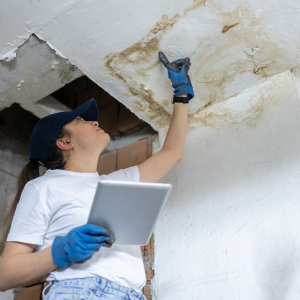
Homeowners insurance covers mold substantially differently. Most ordinary plans don’t cover mold damage unless it’s the result of a covered risk, like a burst pipe.
If you have mold caused by a covered water damage occurrence, you may be able to get insurance to pay for it. But if it was because of chronic damp problems or inadequate ventilation, you are probably on your own.
Read your policy carefully before taking on coverage. Some insurers offer mold coverage as an add-on, but it’s typically limited in scope and price amount.
When selling, buyers will often ask about insurance claims for mold or water damage. You will have to report any claims you have made, even if the insurance didn’t pay out.
Future insurance coverage can be an issue as well. If your house has a mold claims history, future owners may face higher premiums or exclusions on coverage.
Document professional remediation thoroughly. This lets future owners prove to insurance that the concerns were adequately resolved.
Washington Homes: Negotiating Sale Terms in the Presence of Mold
When mold is in the picture, you need to negotiate with strategy and adaptability. Transparency not only protects you legally, but it also fosters trust with purchasers, especially in competitive areas like Seattle, Redmond, or Tacoma in Washington.
Price changes are frequent. Buyers can ask for credits equal to expected repair costs or require you to do remediation before closing.
I’ve seen effective negotiations in which sellers provide several options: a reduced as-is price, a credit for remediation, or remediation with appropriate price adjustment.
Timing is important in negotiations, too. If you’re in a rush to sell, to-be-done pricing may be preferable to promising to do the remediation.
Expect buyers to go away. Some consumers will not consider a home with any history of mold, no matter the price or remediation status.
It helps to work with experienced agents. “They know how to market properties with mold and negotiate terms that are fair for both sides.”
Other Ways to Sell Moldy Properties
When it comes to mold presence, traditional listing isn’t your only option. (There could be other options that work better based on your scenario.)
Direct cash sales to investors or firms like Sell With Isaac give you speed and certainty. You won’t get top dollar, but you will save on cleanup fees and long negotiations.”
Auctions work well for properties with major problems. Bidder at auction expects troubles and bids appropriately.
Another possibility is to wholesale to investors. Wholesalers can locate end buyers that specialize in refurbishment projects.
Rent-to-own agreements help you get renters who will eventually buy the property. This allows you to slowly work on mold concerns.
Owner financing can entice purchasers who cannot acquire regular loans owing to the property’s condition. You hold the mortgage and get payments over time.
Each has its merits and cons. Direct sales are quick yet cheaper. Traditional sales can get you a better price, but they take more time and work.
Legal protection for sellers who disclosed mold problems after the sale
Proper disclosures provide important legal protection after closing. It also protects sellers from any possible legal concerns after the sale by letting buyers know of any issues that are known.
You let the purchasers know about the mold problems, and they sign off on it, then they can’t come back later and say they didn’t know about the problem.
Document all disclosures, remedies, and acknowledgements by the buyer. This documentation protects you in case of legal concerns in the future.
Sellers should take the following steps to be sure they are complying with mold disclosure rules and avoiding potential legal issues: Complete the Disclosure Form honestly. If your state has a seller’s disclosure form, be sure to fill it out accurately and honestly. If there are any mold or moisture problems, describe where they are, how extensive they are, and what has been done to fix the problem. 2. Reveal Previous Mold Issues: Sellers must disclose any history of mold in the home, even if it was treated and removed.
Properly documented professional remediation adds an extra layer of safety. Successful clearance testing to demonstrate that the remediation worked is a defense against future claims.
Keep in mind that while disclosure does not guarantee you won’t face legal challenges, it can significantly reduce your risk and strengthen your defense if issues arise. Sell With Isaac buys houses cash, call us today.
FAQS
What is Mold Law in Washington State?
Washington State has a law requiring sellers of residential real property to make full disclosure of significant information. The law in Washington State is unambiguous with regard to the duty to disclose material faults in real property transactions. Mold is a material fact since it can create health problems as well as structural harm to a home. You must fill out Form 17 honestly, including any mold problems you know about. Washington does not have a universal mold license thus, independent inspectors and precise written scopes are very crucial before remediation begins.
Selling a house with mold can be very difficult.
It’s undoubtedly possible, but selling a house with mold is certainly more difficult. The secret is to be honest and realistic in your pricing. Mold can greatly affect the market value of a home in Washington State. Many prospective purchasers are leery of properties with mold issues, concerned about the possibility of pricey repairs, continuing maintenance and health dangers. You will probably have to reduce your pricing or offer some remediation credits, but many purchasers will still look at your house if it is priced well.
Do Realtors Have to Disclose Mold in a House?
Yes, Realtors are obligated to disclose known material facts, mold included. But when selling a home in Washington State, mold issues are one of the areas where a real estate specialist is key. They help sellers and buyers understand and comply with legal obligations. Help ensure all mold disclosures are complete. Agents can be professionally disciplined and legally liable for assisting sellers in hiding mold problems. Good agents will make sure you fill out all the mandatory disclosures correctly.
Can You Live in a House with Black Mold? How Long?
There is no safe time period to live with black mold exposure. Mold can cause serious health problems for the inhabitants of the home; it’s a big concern for buyers. Health effects depend on individual sensitivity but may include breathing issues, allergic responses, and more serious complications with extended contact. If you see black mold, don’t try to live with it; take care of it now. For serious black mold concerns, professional cleanup is usually required.
When selling a House with Mold in Washington, honesty, full transparency, and reasonable expectations are the keys. And yes, it complicates your transaction but does not make it impossible.
I have assisted hundreds of homeowners in these circumstances. Sometimes pre-listening remediation makes sense. Sometimes it’s best to sell as-is to a cash buyer.
First and foremost, to comply fully with Washington’s disclosure rules. Transparency is good for the legal side, and it’s often easier to complete transactions.
If you are having mold problems and want to know what your choices are, including a fast cash sale that helps you avoid the costs of repair altogether, Sell With Isaac will help. We buy homes all around Washington State as-is and can close in two weeks or less. No pressure. No obligation. Just straight answers about your situation and options.
Helpful Washington Article
- Can You Sell A House That Failed Inspection in Washington
- Can You Put A Lien On A House in Washington
- Tax Implications of Selling a Home in Washington
- What Happens to My Escrow When I Sell My House in Washington
- How to Sell an Investment Property in Washington
- Sell Home to Pay Off Debt in Washington
- Guide to Selling Your Washington House with a Squatter
- Can Someone Sell My House Without My Consent in Washington?
- How To Sell An Inherited House In Washington
- Paperwork Needed to Sell Your House by Owner in Washington
- Can You Sell A House with Mold in Washington
- Can A Seller Back Out of A Contract in Washington
- Can You Sell A House in Foreclosure in Washington